Blog
Dental hygiene tips for healthy teeth & gums
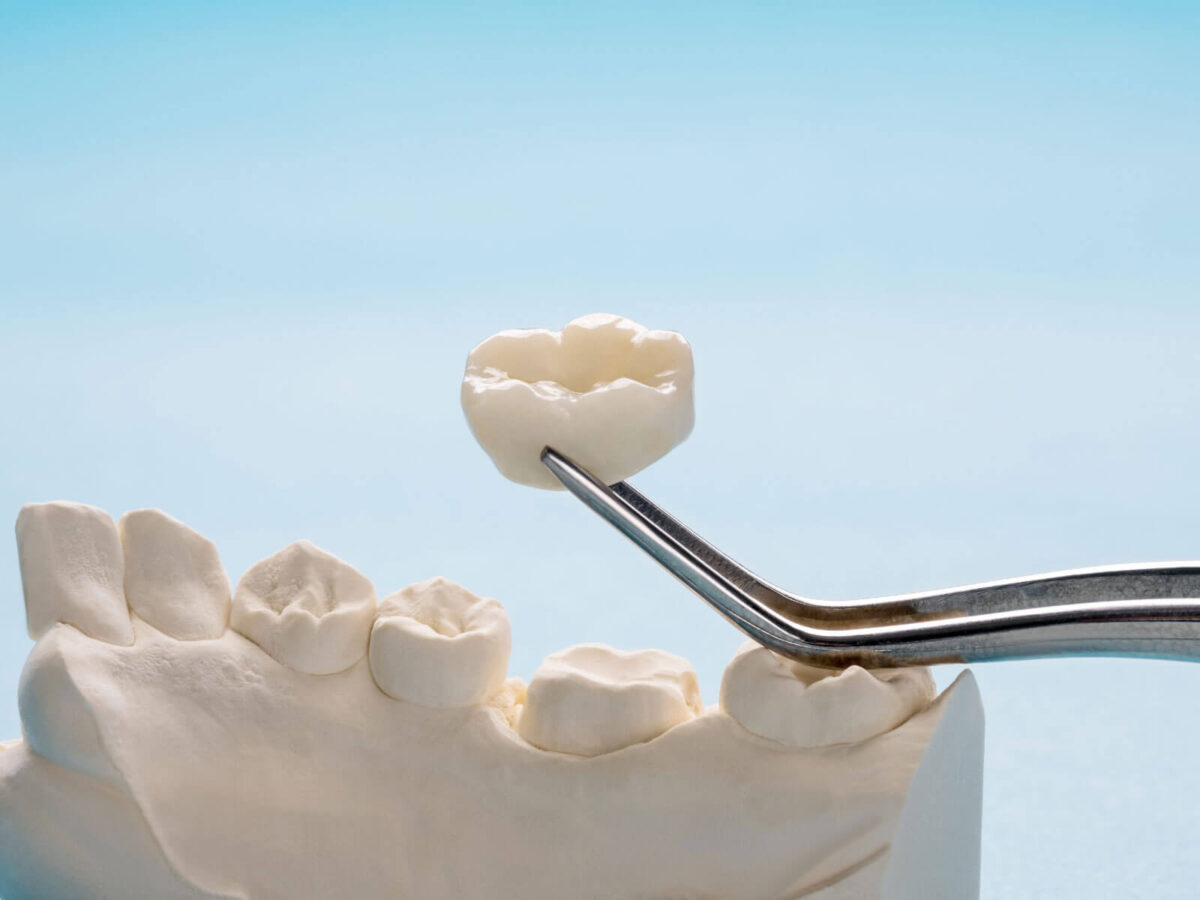
How Much Does a Dental Crown Cost?
Why People Ask About Dental Crown Cost
Most people don’t start researching a dental crown cost out of curiosity. They start looking because something happened. A tooth cracked. A large filling failed. A root canal was completed, and now protection is needed. It’s not just curiosity. Most people ask because they’re concerned. They know the treatment matters, but so does the bill.
The dental crown cost is not the same everywhere. It depends on the type of crown, the area you live in, whether your insurance contributes, and how involved the procedure ends up being. Even the price of a dental cap can look very different from one office to another.
The American Dental Association’s Health Policy Institute has noted that fees for restorative procedures are not the same everywhere. Prices can look very different depending on the state or the type of practice. Factors like overhead and lab services play a role in determining the final cost of a crown tooth.
Not having a fixed figure can feel confusing. Once you see what goes into it, the number makes a bit more sense.
When Is A Dental Crown?
If a tooth has become weak, dentists often cover it with a crown to protect what is left. It covers what is left and helps the tooth function normally again. When there is not enough structure left to support a filling, a crown is usually the more dependable choice.
People often use the phrase “cap,” which is why you might also hear about the price of dental cap services. The terminology is interchangeable in everyday conversation, though dentists tend to use “crown.”
The purpose is not cosmetic alone. A well-made crown helps spread out the pressure from biting so that one area is not taking all the force. That matters even more after a root canal, as the tooth is often weaker. Left unprotected, it can crack further with regular use.
Why Does the Cost of Crown Tooth Treatment Vary?
The cost of crown tooth procedures depends first on the material. Different materials come with different price points. Porcelain and zirconia are usually on the higher end, partly because of the lab work involved and how natural they look. Gold and other metal alloys can cost less in some cases, though they are not often used for front teeth since they are more noticeable.
Geographic location plays a large role. Dental fees in major metropolitan areas tend to be higher than in rural communities due to rent, staffing, and operating costs. The ADA notes that practice overhead is one of the largest drivers of fee variation nationwide.
Case complexity also matters. If the tooth requires buildup material, post placement, or additional imaging, those procedures add to the total. A straightforward crown on a healthy root differs significantly from rebuilding a structurally compromised tooth.
Typical Price Range You Might See
Most people researching dental crown cost in the United States will see numbers around $800 to $1,800 for one tooth. The final amount depends on what the tooth actually needs. Material choices, the condition of the tooth, and the time involved can all influence the final amount. In more complex situations, the total can exceed that range.
Insurance coverage varies. Some policies cover roughly 50 percent when the crown is restoring strength or structure. Cosmetic changes, though, are sometimes treated differently. It helps to review your benefits before moving forward.
The idea of an “average” price can be misleading. A molar in the back of the mouth has different demands than a front tooth that shows when you smile. Strength and appearance are not always priced the same.
When comparing the price of dental cap estimates from different clinics, ask what is actually part of the quote. Does it include lab work? Is the temporary crown covered? Find out whether any return visits are included. A quick conversation now can keep things straightforward down the line.
Insurance and Financing Considerations
Most insurance plans list crowns as major procedures. That usually means they cover part of it, not all. Deductibles still count, and yearly limits matter. If your annual cap is $1,500 and you have already used some of it, your share of the dental crown cost could be more than you expected.
Many people use money from a flexible spending account or health savings account to help cover the dental crown cost. Since the procedure is usually considered necessary, those funds can be applied. Some offices will also let you break the payment into smaller parts instead of paying everything at once.
Try to see the full breakdown first and check where insurance stands. Knowing the figures ahead of time can prevent confusion later.
Why a Crown May Be Worth the Investment
It is understandable to pause when you hear the dental crown cost. Dental treatment can strain a budget. Still, waiting does not always make it easier.
A weakened tooth does not usually stay the same. Without support, it can break further, and sometimes the damage goes too far. At that time, removing the tooth and replacing it with an implant often costs more than placing a crown earlier. The American College of Prosthodontists has noted that when a missing tooth is not replaced, nearby teeth can begin to shift. Over time, that can affect your bite and lead to more dental work.
In practical terms, the cost of crown tooth treatment may prevent a more complicated situation later.
Do Materials Really Make a Difference?
Material plays a role, though it depends on where the crown is going. Back teeth deal with more stress, so durability becomes important. Front teeth are different. There, appearance tends to guide the choice, and porcelain usually blends better. Metal crowns are used less often today, but they have a reputation for lasting a long time.
These differences can affect the price of dental cap options you are shown. It helps to think about where the crown is going and how much force that tooth handles. For people who grind, durability often becomes the bigger concern. A crown that looks great but chips easily is not much help. The decision is usually about what works in daily life. Not just what looks best on paper.
FAQs
Do all crowns cost the same?
No. Fees differ by case complexity and materials. It also depends on the location.
Is a crown covered by insurance?
In parts. Usually, it is needed for structural reasons. Your plan details will determine how much.
How durable are crowns?
Ten years is common. Many last beyond that with good oral hygiene.
Why not just remove the tooth?
A missing tooth can affect alignment and biting. That sometimes leads to additional procedures.
Is it okay to wait?
Some patients wait, but teeth do not always stay stable once they are damaged.
Conclusion
There is rarely one fixed answer to the dental crown cost question. The total depends on what material is used, where you receive treatment, how involved the procedure is, and what insurance will cover. What matters just as much is understanding why the crown is recommended. It protects a vulnerable tooth and helps avoid larger problems later.
Delaying care can sometimes lead to more extensive work. From that perspective, the cost of crown tooth care is often tied to stopping problems early. It helps to review the estimate, understand your coverage, and have a straightforward conversation with your dentist first.