Blog
Dental hygiene tips for healthy teeth & gums
Early Signs of a Tooth Infection You Shouldn’t Ignore
What A Tooth Infection Actually Feels Like At First
Tooth infections don’t always start with severe pain. In fact, they often begin quietly. Maybe just a little sensitivity. Or slight discomfort when biting. Nothing that feels serious at first, so it’s easy to ignore.
These are usually the early signs of an infected tooth. Subtle enough to ignore. Many people think it will go away and decide to wait.
The problem is, infections don’t just disappear. They tend to develop slowly. What feels small in the beginning can turn into something much worse if nothing is done.
There’s often a pattern too. One day it feels normal; the next day, slightly off. That inconsistency makes it harder to take seriously, so treatment gets delayed.
As per the American Dental Association, infections can spread beyond the tooth if nothing is done. Picking up on signs of infection from the tooth early can help avoid further problems.
Why Tooth Infections Develop In The First Place
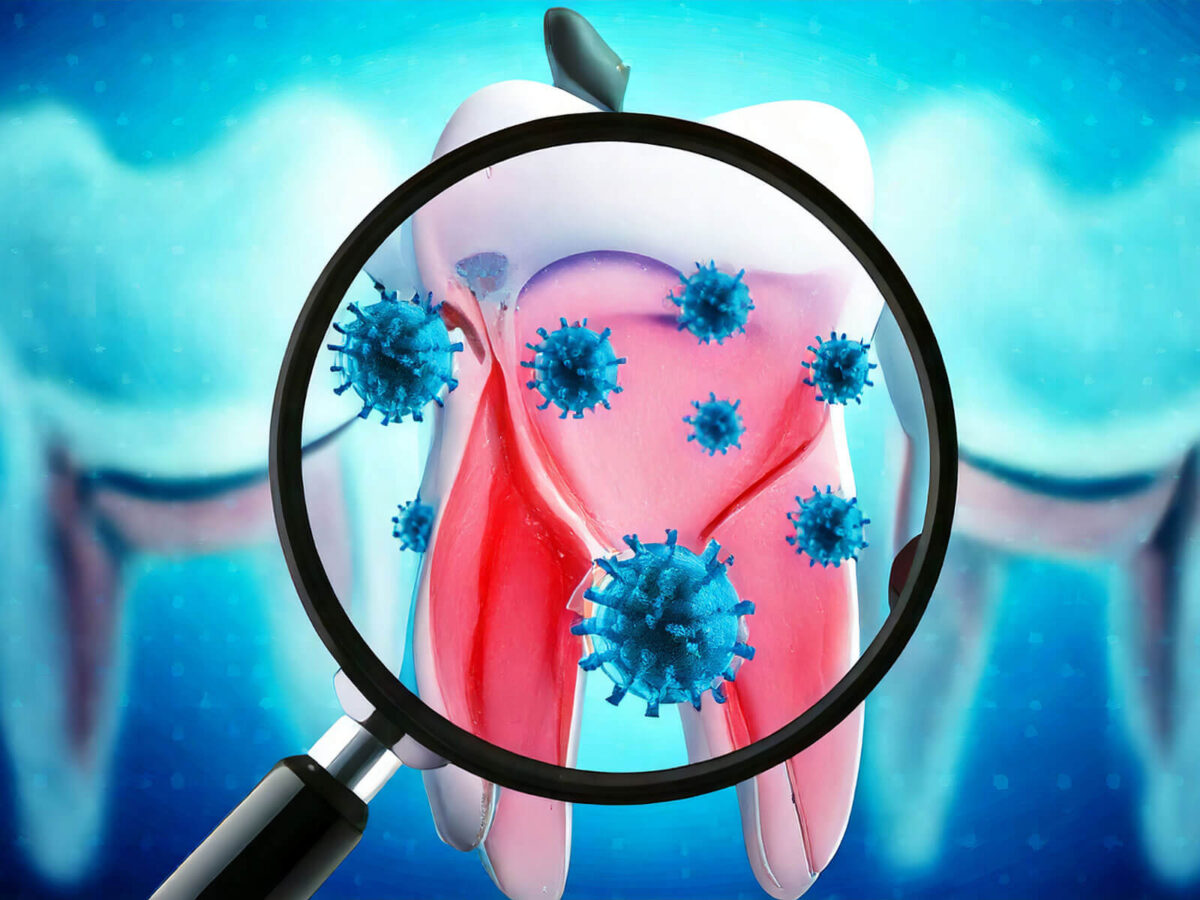
A tooth infection often begins when bacteria get into the inner part of the tooth. That area is called the pulp. It holds the nerves and blood vessels, so once it’s affected, things can change quickly.
Bacteria don’t just get in randomly. Most of the time, it begins with decay. A cavity forms, and if it keeps getting deeper, it creates a way in.
Cracks can lead to the same problem. Even a small one can open things up inside. It may not look serious, but it can still expose the inner part of the tooth. Over time, repeated dental work can also weaken it a bit.
When oral care isn’t steady, bacteria take advantage. Plaque doesn’t go anywhere, and neither do they. And slowly, they move deeper. Once they reach the pulp, infection begins. That’s when signs of infection from the tooth start showing up, usually little by little.
What Lingering Sensitivity May Be Telling You
It often begins with sensitivity, though it doesn’t always stand out right away. This isn’t the kind that comes and goes in a second. Instead, it lingers, and that’s usually what makes people pause and notice it.
You might feel it when having something cold, where the sensation stays longer than expected. Hot drinks can trigger it too. The tooth responds, but it doesn’t settle as quickly as it normally would.
When sensitivity feels that way, then it is something more serious. Not always obvious in the beginning. Even then, it can still be one of the signs of an infected tooth. At that stage, things are often still mild. But leaving it as it is can make it worse. Noticing it early helps avoid that.
Why A Tooth May Feel Tender When Chewing
A sense of pressure can also be an early sign. You might feel a bit of soreness when you bite down. Not really painful, just enough to feel off.
It starts off feeling minor, so it doesn’t get much attention. Then it shows up more frequently, mostly during meals. Chewing on one side may not feel as comfortable anymore.
This happens because inflammation builds up inside the tooth. There isn’t much room there, so even a little swelling can create pressure. That pressure is often one of the clearer signs of an infected tooth.
Many people adjust without thinking about it. They shift to the other side while chewing. Over time, that small change turns into a pattern, which usually means something isn’t right.
What Swelling Around The Gums Could Mean
You might notice some swelling near the tooth. The gum can look a bit raised. Maybe a little sore if you touch it. Not always painful, just different. Sometimes a small bump shows up there. It doesn’t always stay. Comes and goes. And every now and then, a bit of fluid might come out.
That usually means the infection isn’t just sitting quietly anymore. The body is trying to deal with it. If it’s left like that, it doesn’t stay in one place. It can spread slowly. What starts small doesn’t always stay that way.
Why Persistent Tooth Pain Should Not Be Ignored
Pain doesn’t always come first. Sometimes it shows up later. And once it does, it doesn’t really come and go the same way. It can start off as a mild, dull ache. Nothing too obvious. It appears, disappears, then returns again. That is why it is easy to brush off. But slowly, it begins to stay longer and feel more constant.
Some people feel a throbbing kind of pain. Others notice it moving a little, toward the jaw or ear. It’s not always limited to one spot. At this stage, the infection has usually progressed. The earlier signs of an infected tooth may have already been there but missed. Pain that starts disturbing sleep is often a sign that the infection has gone deeper.
What Bad Taste or Odour Might Indicate
You notice a taste that just stays there. Not sure where it’s coming from. And it doesn’t feel connected to a tooth in the beginning. Then it keeps coming back, or just stays. That’s usually when something deeper is going on.
In some cases, a bit of fluid can come from the area. Not always noticeable, but enough to leave that taste behind. It’s not always obvious. Still, it can be one of the signs of infection from tooth. And in most cases, it means the infection hasn’t cleared.
How Fever Or General Discomfort Can Be Linked
In more advanced cases, the body begins to react more strongly. Fever may develop. Some people feel tired or unwell without a clear reason. This happens because the infection is no longer limited to the tooth. The body is responding to it as a whole.
You might not notice these symptoms at first. They tend to come later. But when they do appear, they matter more than they seem. It can be a sign that the infection isn’t staying in one place anymore. That’s usually when it’s better to get it looked at instead of waiting longer.
Why Early Treatment Makes A Difference
Tooth infections usually don’t go away on their own. They tend to stay and slowly get worse if nothing is done. Early on, treatment is often simpler. In many cases, the infection can be cleared with something like a root canal. Sometimes other options are considered, depending on how the tooth looks.
Dealing with it early makes a difference. It helps avoid complications and gives a better chance of keeping the natural tooth. Noticing the signs of an infected tooth in time is what allows that. It can turn a bigger problem into something much easier to handle.
FAQs
What might you notice first if a tooth starts getting infected?
It often begins quietly. A bit of sensitivity, mild pain when biting, or slight gum tenderness. Easy to miss at first.
What happens if the infection starts spreading?
Then the symptoms become harder to ignore. Swelling, ongoing pain, or an unusual taste may start to appear.
Can it go away without treatment?
That’s unlikely. Sometimes it settles down for a while. But the infection doesn’t really go away.
When is it better not to wait and see a dentist?
If it feels off and just doesn’t settle, don’t ignore it. Getting it checked early usually makes things easier.
Conclusion
Tooth infections often begin quietly. Small signs appear first. A little sensitivity. Slight discomfort. Something easy to ignore.
Over time, those signs become clearer. Understanding the signs of an infected tooth helps patients respond early instead of waiting for severe pain.
Ongoing discomfort, swelling, or sensitivity shouldn’t be ignored. If it keeps happening, getting it looked at helps. Picking up signs of infection from tooth early can prevent things from getting worse.