Blog
Dental hygiene tips for healthy teeth & gums
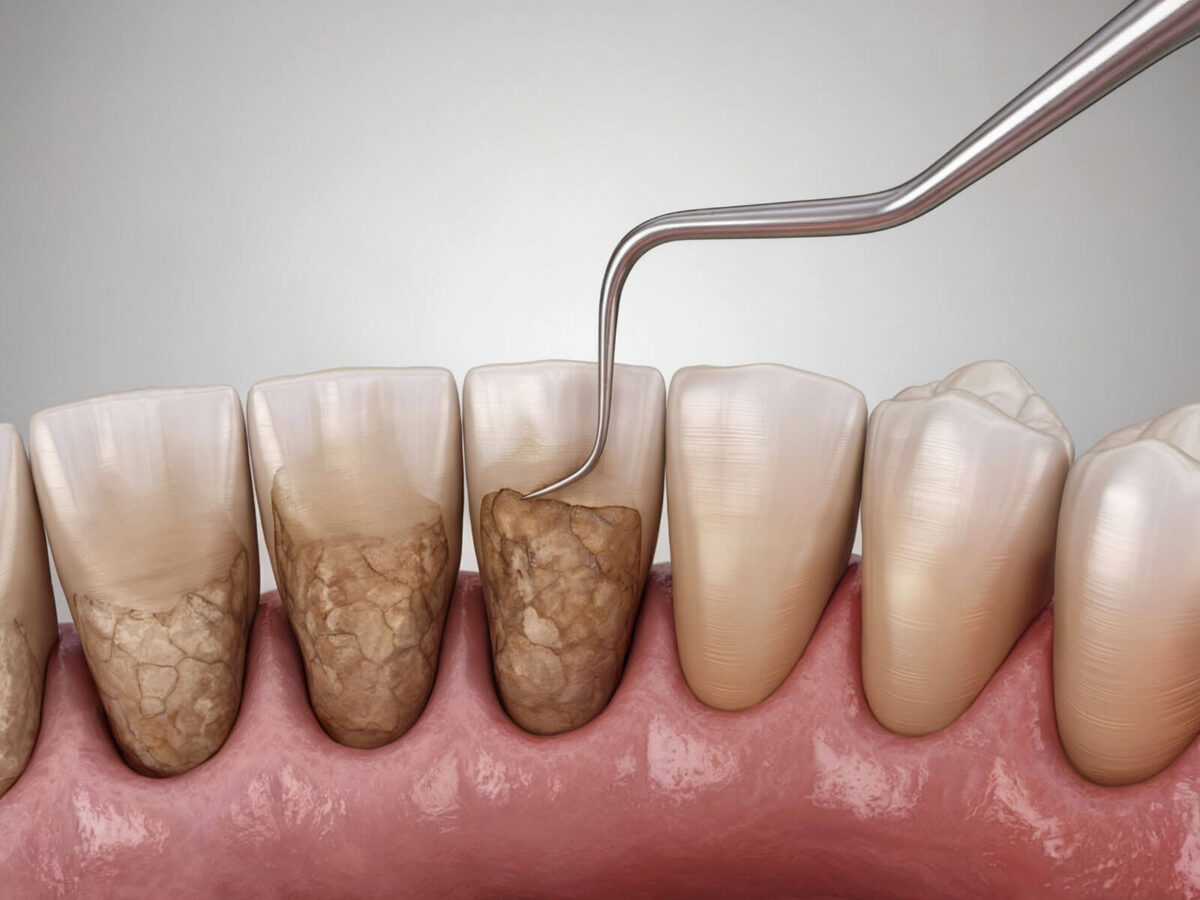
What Is Hypocalcification? Causes, Symptoms & Treatment
A parent notices a creamy patch on a six-year-old’s brand-new molar and assumes something went wrong recently. Not enough brushing, too much juice, a missed appointment.
What is hypocalcification turns out to be a question about the past. That patch was set into the tooth years earlier, while it was still forming inside the jaw, and it was already there on the day the tooth broke through.
The enamel came out full thickness and normal shape. What it didn’t get was enough mineral packed into certain spots, and those spots end up softer and more porous than everything around them.
TL;DR
What is hypocalcification? A defect in enamel quality. Full thickness of enamel, with not enough mineral packed into it.
Hypoplasia is the one people mix it up with. Different problem. Less enamel got made, so you can see and feel where the surface dips.
Neither one develops later in life. The damage was done while the tooth was forming, and it’s permanent before it ever erupts.
Softer enamel behaves differently. Expect sensitivity, and expect decay to move quickly once it starts.
Mild cases get fluoride and remineralizing paste. Severe ones end up needing bonding or crowns.
What Is Hypocalcification
Enamel gets built in two stages. Cells called ameloblasts lay down a protein scaffold, then mineral fills that scaffold while the proteins withdraw. What comes out at the end is the hardest tissue in the human body.
Hypocalcification is a breakdown in the second stage. The scaffold finished properly, so the tooth is the right size and shape. The mineral just didn’t arrive in full across certain patches.
You see it as an area that’s whiter or creamier than the enamel around it, sometimes yellow-brown, with a border you can trace with your eye. Dentists call these demarcated opacities. That clear edge is the giveaway, since early decay and fluorosis both fade out at the margins rather than stopping.
Underneath the appearance is the part that matters. That enamel is measurably softer, so acid gets through it faster, and it wears down quicker. It also conducts temperature toward the pulp with very little resistance, which is why cold water produces a real jolt in a tooth a parent has been told looks fine.
In worse cases, it fractures away under ordinary chewing within months of the tooth arriving. The term is post-eruptive breakdown, and a British Dental Journal review notes{target=”_blank” rel=”noopener noreferrer”} it can leave enamel missing from a tooth that erupted intact.
Hypocalcification vs Hypoplasia – What Separates Them
Plenty of articles treat these as synonyms. They aren’t, and the distinction changes what a dentist does about it.
Hypocalcification vs hypoplasia comes down to quality versus quantity. In one, the enamel is all present and poorly mineralized. In the other, there’s physically less of it, which is why the surface shows pits, grooves, or thin horizontal bands.
There’s a rough test for this at home. Run a fingernail across the mark. AAPD describes hypoplastic enamel as thin, pitted, and deficient with smooth borders{target=”_blank” rel=”noopener noreferrer”}, and you’ll feel the edge of one. A hypocalcified patch usually feels like nothing at all.
The two blur in practice, though, and AAPD says so. Hypocalcified enamel breaks down and leaves a crater behind. Anyone seeing that tooth for the first time is looking at what appears to be hypoplasia.
What Causes It
Anything that disrupts ameloblasts while a tooth is mineralizing can cause it, which makes the timing of an illness matter more than the illness. A fever at eighteen months affects whichever teeth happened to be forming that month.
High fevers and repeated childhood infections come up most in the research. Ear infections and chickenpox, or a respiratory illness that dragged on. Antibiotics get implicated too, though nobody has managed to separate the drug from the illness it was treating.
Premature birth and low birth weight appear frequently in patient histories. So do vitamin D and calcium deficiencies during pregnancy or infancy.
Fluorosis is related but separate, caused by excess fluoride during development. It reads as diffuse lacy flecking spread evenly across several teeth, where hypocalcification tends to mark one or two sharply.
Local trauma explains the cases where someone has exactly one affected front tooth. A knock that drives a baby incisor up into the bone can disturb the permanent tooth developing above it, and nothing shows for another five or six years.
The most researched version of all this is molar incisor hypomineralization, hitting first permanent molars and often the incisors alongside them. One study cites an estimated worldwide prevalence of around 14%{target=”_blank” rel=”noopener noreferrer”}, with its own Madrid sample reaching 28.63%.
Worried About a White Mark on a Tooth?
Get it identified properly and find out whether it needs treating.
White Spots on Teeth Causes: Ruling Out the Alternatives
Four things produce white marks, and telling them apart comes down to history more than appearance.
Early decay. Sits near the gumline or in the outline of old orthodontic brackets, and it’s recent. This is the only one on the list that can be remineralized.
Fluorosis. Appears symmetrically across teeth that developed in the same period, and it’s usually faint.
Dehydration. A long appointment with the mouth held open makes teeth look mottled for an hour, then it resolves on its own.
Hypocalcification. Has been there since the tooth arrived. Sits on particular teeth rather than all of them, and carries that traceable border.
Which is why a dentist’s first question is how long the mark has been there, rather than what it looks like now.
Enamel Hypocalcification Treatment – What’s Available
Mild cases often need nothing beyond protection. Most of it happens at home, with high-fluoride toothpaste and either CPP-ACP or hydroxyapatite paste at night. Varnish gets applied at appointments. The sensitivity fades over a few weeks, and the patch stays exactly as visible as it was.
Sealants go on affected molars early, ideally before any decay starts. They get checked often, because they don’t always hold on compromised enamel.
Resin infiltration is the one worth asking about for front teeth. A thin resin soaks into the porous enamel and changes how light moves through it, so the patch stops standing out against the tooth around it. Nothing gets drilled. It works best on lesions sitting in the outer enamel.
Microabrasion suits shallow surface discoloration and takes a fraction of a millimeter off.
Composite bonding covers moderate defects, and it’s what most adults end up having done.
Crowns or onlays come in when a molar has broken down past what a filling can hold. In children, those get deferred as long as is sensible.
FAQ
Can hypocalcification be reversed?
No. The defect formed before the tooth erupted. Sensitivity and appearance can both improve a great deal, which is a different thing.
Is hypocalcification genetic?
Partly. Studies have found genetic links in more than one population. Most cases still come down to something that happened while the tooth was forming.
Will my child’s adult teeth be affected too?
Not necessarily. It comes down to whether whatever caused it overlapped both developmental windows.
Does whitening help?
Usually the opposite. The enamel around the patch lightens faster than the patch does, so the contrast gets sharper.
Conclusion
This was never a hygiene failure. The tooth was assembled this way during a window that closed years before anyone could have noticed anything.
What changes outcomes now is protection. Sealants and fluoride, tighter recall intervals, and a dentist who recognizes the pattern rather than working through each new cavity as a fresh puzzle.
Understanding what is hypocalcification mostly buys you earlier appointments, which turns out to be the thing that matters. A child avoiding cold drinks, or flinching while brushing two particular teeth, is giving you specific information. That’s worth an appointment.
Get Chalky or Sensitive Teeth Assessed
Find out what’s causing the marks and which treatments will help.