Blog
Dental hygiene tips for healthy teeth & gums
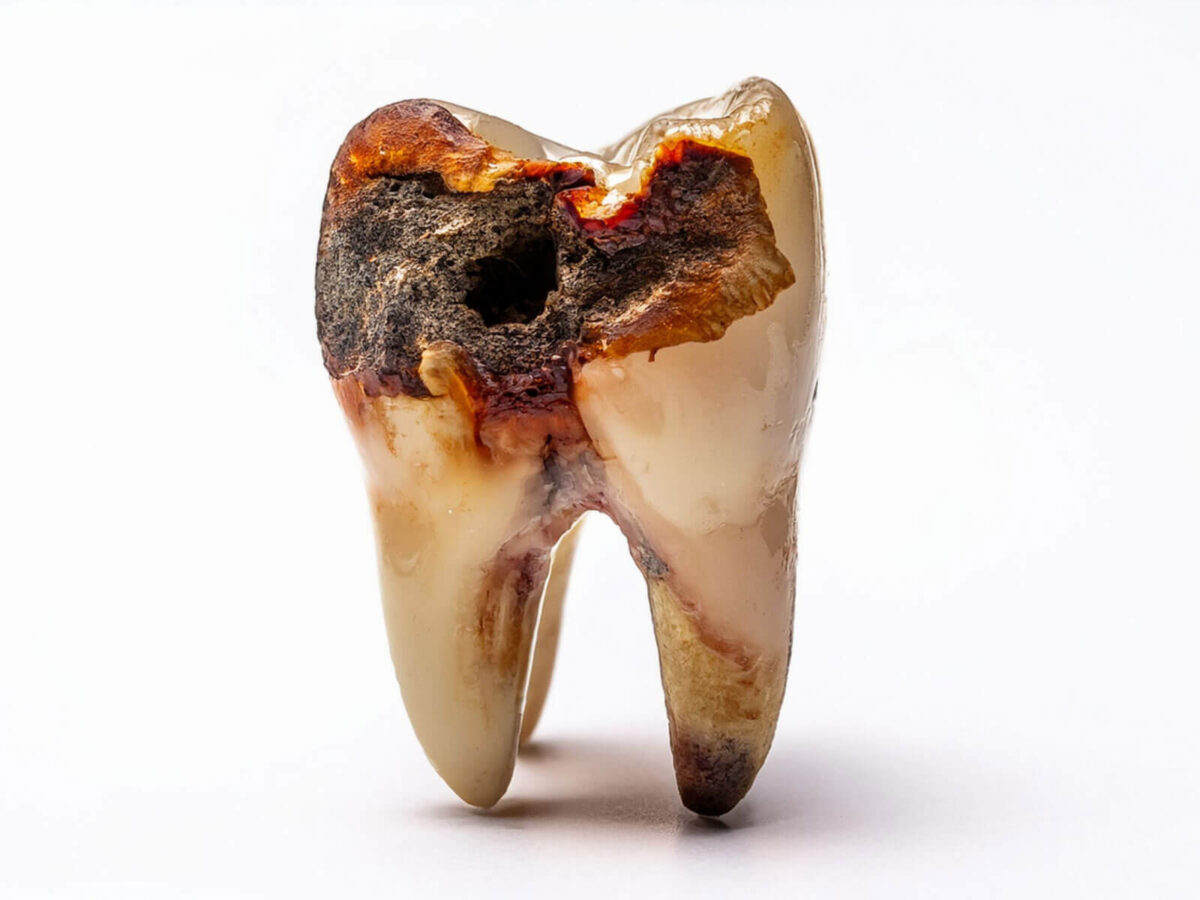
5 Stages of Tooth Decay and How to Treat Each
Why It Helps To Understand The Stages Of Tooth Decay
There is nothing like “Sudden tooth decay”. It is a slow process, and happens without any big warnings. A lot can happen inside a tooth before any pain appears. Small chemical changes start first. By the time discomfort is noticed, the decay has often already moved deeper.
This is often why dentists bring up the stages of tooth decay during a normal checkup. Each stage represents a different level of damage. Some stages are reversible with simple care. Others require dental treatment to prevent infection or tooth loss.
Tooth decay is also extremely common. The World Health Organisation reports widespread tooth decay worldwide. Billions of people live with untreated cases. It remains one of the most common oral health problems.
Stage 1 — The Beginning Stages Of Tooth Decay
The beginning stages of tooth decay usually start quietly. No pain yet. What happens first is a slow loss of minerals from the enamel. This is known as demineralisation. Enamel protects the tooth and covers the outer surface. It is extremely tough. Still, acids produced by plaque bacteria can gradually wear it down.
Sugary food is the culprit here. Bacteria in the mouth react to it. As they break it down, acids are released. Little by little, the acids take minerals away from the tooth. The surface begins to weaken. At this stage, dentists sometimes notice faint white patches on the teeth.
White spots often show that the enamel is losing strength. A cavity has not formed at this point. The tooth surface is still there. That is why this stage is important. Fluoride can help bring minerals back. Better brushing helps too. Over time, the surface may repair itself.
Stage 2 — Enamel Cavities Form
If demineralization continues for some time, the enamel cannot stay intact. The surface slowly weakens. The change is very small and easy to miss at first. With time, a tiny opening forms in the enamel. Dentists refer to that opening as a cavity. Once this happens, the tooth surface has already been damaged.
This point marks the next step in the tooth decay stages process. The enamel has already lost much of its strength at this stage. Natural repair is no longer possible. Earlier on, fluoride and improved oral care might have helped the surface recover. After a cavity develops, however, the damage cannot reverse itself.
At this stage, treatment is generally straightforward. The decayed enamel is removed first. The area is then cleaned before placing a filling. That filling rebuilds the tooth’s shape and protects it from further damage. It also seals the space so bacteria cannot move deeper inside.
Stage 3 — Decay Reaches The Dentin Layer
Under the enamel lies dentin. This layer is softer than the outer surface. Once decay reaches it, the process tends to move faster. Dentin contains many tiny tubules. These small channels run inward toward the pulp at the center of the tooth.
Once decay reaches dentin, things tend to change. This layer is softer than enamel. Bacteria can pass through it more easily. Around this point, many people start feeling sensitivity. Cold drinks may bother the tooth. Sweet foods can do the same. Even eating feels uncomfortable.
By this point, the aim is simple. Remove the decay and keep the tooth. That becomes the main priority. The dentist begins by taking out the damaged portion. After that, filling is placed. The restoration is usually larger, simply because more of the tooth structure has already been affected.
Stage 4 — Infection Reaches The Tooth Pulp
At the centre of the tooth is the pulp chamber. It contains the nerves and blood vessels. They keep the tooth alive. When decay reaches this inner area, bacteria can trigger an infection.
Pain is usually harder to ignore by this point. Some people describe a throbbing feeling. Others feel strong sensitivity to hot or cold foods. Swelling near the tooth can also occur.
Root canal therapy is the usual treatment. The infected pulp is removed first. After that, the dentist carefully cleans the canals. The space is then sealed so bacteria cannot spread again.
The American Association of Endodontists has done their research. According to their reports, over 15 million root canal procedures are carried out each year in the United States.
Stage 5 — Abscess And Severe Infection
Sometimes the infection does not stay inside the tooth. It can move past the pulp chamber and reach the root area. When that happens, an abscess may form. Dentists use this term for a pocket of infection that develops in the surrounding tissue.
People usually notice something is wrong by this stage. The pain can become quite strong. Swelling may appear around the tooth or along the gum. Fever can sometimes appear as well. Eating may begin to hurt. Without treatment, the infection may move past the tooth.
The next step varies. It depends on the condition of the tooth. In some situations, a root canal can still save it. The condition of the tooth leaves very few options sometimes. If the damage is extensive, removing the tooth may be necessary to stop the infection.
How Early Dental Care Protects The Tooth
Treatment may be simple when dentists observe the beginning stages of tooth decay. Application of fluoride hardens enamels and serves to restore lost minerals.
Daily oral hygiene habits should also be promoted to patients. Fluoride toothpaste can be used twice a day to brush the teeth and prevent the accumulation of plaque. Flossing is used to clean the food and bacteria between teeth.
Minor modifications in lifestyle can greatly prevent the formation of cavities.
How Dentists Restore Teeth In Moderate Stages
After holes have been created, dentists clear the broken part of the tooth and replace it using filling material. Composite fillings that are tooth-colored are the preferred form of material due to the fact that they are made to match the natural enamel.
In bigger holes, dentists can advise the use of crowns rather than fillings. A crown is used to cover the whole visible part of the tooth and has a restorative effect on the strength and appearance. These restorations shield the left tooth structure and enable the patients to chew normally.
Why Advanced Tooth Decay Requires Complex Care
Decay can sometimes reach the inner part of a tooth. Treatment becomes more complex at that point. Dentists may perform a root canal. The infected pulp is removed during this treatment. This helps control the infection.
The treated tooth often needs extra protection. Dentists usually place a crown over it. The crown adds strength to the tooth. Without it, the tooth may become brittle. Fractures can occur more easily. Serious tooth decay can still be treated. Earlier detection usually brings better outcomes.
FAQs
What happens during tooth decay
Tooth decay develops in steps. It often begins with mineral loss from enamel. Small cavities may form later. The damage can spread deeper into the tooth. In severe cases, infection may develop.
Can early tooth damage be reversed?
Yes. Teeth can sometimes recover in the early phase. Good cleaning habits help get rid of the damage.
How do dentists look for cavities?
Dentists see the condition of the teeth at each visit. They look for visible changes on the surface. Dental X-rays may also be used. These images help reveal hidden problems.
What happens when decay is not treated
The damage can continue to grow. The tooth may develop an infection. Pain may become severe. Tooth loss can occur in serious cases.
Tooth sensitivity can be a warning sign. Changes in colour may also appear. Pain during chewing may occur. A dental visit can help identify the tooth decay stages affecting the teeth. Early care protects natural teeth. It also reduces the chance of complex treatment later.