Blog
Dental hygiene tips for healthy teeth & gums
Impacted Wisdom Tooth: Symptoms, Causes, and Treatment
For most people, wisdom teeth become a topic of conversation before they ever appear. Dentists sometimes bring them up during regular checkups. Friends or relatives may also talk about their own removal experience. After hearing about situations like that, people often read more about wisdom teeth and sooner or later see the question “what is an impacted wisdom tooth” along with explanations about why dentists monitor it.
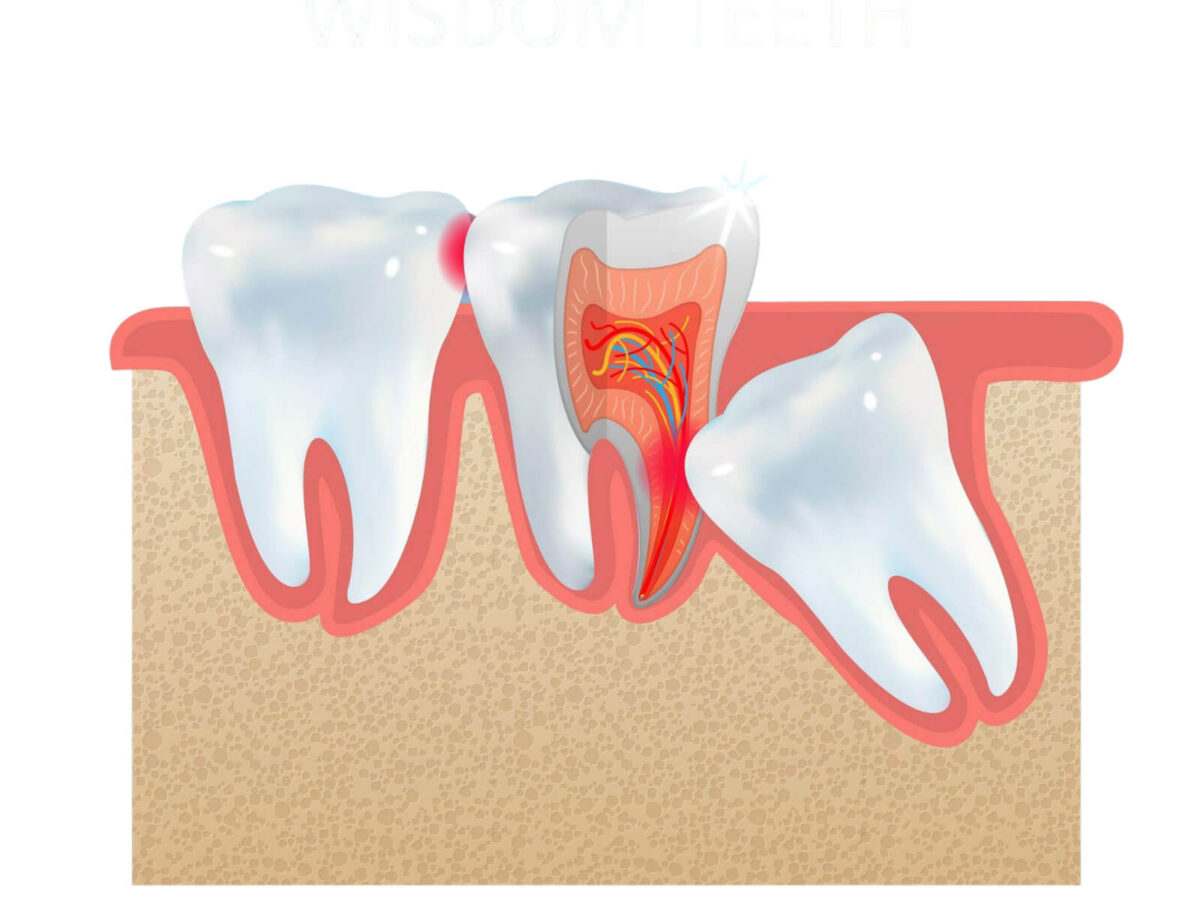
In some people, a wisdom tooth simply does not break through the gums. When that happens, dentists describe the tooth as impacted. In certain situations, it remains completely hidden under the gum tissue. Other times, it begins to come through but grows at an angle. When that happens, the tooth may press against the molar beside it or stay partly stuck inside the jawbone.
Sometimes the first sign appears on a routine dental X-ray. That is when impacted wisdom teeth are noticed. Until that moment, many patients have not felt pain or any clear symptoms. The tooth may still be developing quietly beneath the gums.
The American Association of Oral and Maxillofacial Surgeons has given data on this topic. Their estimates suggest that about eighty five percent of individuals eventually need the procedure due to impaction or other complications.
Why Wisdom Teeth Sometimes Get Stuck
Wisdom teeth usually appear much later than the rest of the permanent teeth. By the time they start developing, most of the mouth is already filled with adult molars.
That timing often creates the first issue. Many people simply do not have enough room in their jaws for another pair of molars. As the tooth begins trying to emerge, it may run into bone or the neighbouring tooth beside it.
Dentists notice several patterns with impacted wisdom teeth. Some teeth grow at an angle and push against the molar in front of them. Others never come through the gums at all and remain buried beneath the tissue.
One possible explanation comes from human evolution. Earlier populations often had broader jaws and tougher foods to chew. Over generations, jaw size has gradually reduced. Wisdom teeth never fully disappeared, yet they often struggle to find enough space in modern mouths today.
What Impacted Wisdom Tooth Symptoms May Feel Like
Not every impacted tooth creates noticeable trouble right away. In fact, many people go years without realising one is there. Everything may feel normal most of the time. Still, changes can begin quietly. According to dentists, impacted wisdom tooth symptoms do not always show up at the same time.
A common early change is swelling near the back of the jaw. The gum in that area may feel tender or irritated. The tissue may also look mildly swollen at times. A few people notice slight discomfort while chewing around the final molar. Opening the mouth wide may create a mild sense of pressure.
Other signs develop more gradually. A faint, unpleasant taste may appear near the gums. Some people also notice breath that seems harder to freshen. Mild jaw stiffness can happen as well. The discomfort often feels unpredictable. It might fade for a few days. Then it quietly returns again.
Why Impacted Wisdom Tooth Pain Happens
Impacted wisdom tooth pain usually develops little by little. Many patients first notice pressure near the last molar. The reason is often simple. The tooth may develop at an angle and come into contact with the molar beside it.
The surrounding gum tissue reacts to that pressure. It may feel sore or sensitive. Some people notice swelling near the back of the mouth. Others feel discomfort when chewing. Another issue appears when the tooth only partly comes through the gums. A thin flap of tissue can remain over part of the tooth.
That small space easily traps food particles. Bacteria begin collecting there. As irritation builds in the gum tissue, infection can sometimes appear as well. After that, the back of the mouth may start to feel sore. Swelling can appear as well.
How Impacted Wisdom Teeth Are Usually Found
During regular checkups, dentists sometimes identify impacted wisdom teeth before patients feel any noticeable problems. Many patients feel perfectly normal when the issue is first identified. In most cases, the first clue appears on a dental X-ray taken during a regular checkup.
These images allow dentists to look beneath the gum line. Developing wisdom teeth can be seen even before they emerge. By studying the image, dentists can tell whether a tooth is growing in the correct direction or beginning to press against nearby teeth or bone.
In certain situations, a panoramic X-ray may also be used. This imaging method captures the entire upper and lower jaw in one wide view. It allows dentists to evaluate the angle of the wisdom tooth and see how close it lies to nearby molars or important nerves.
Studies available through the National Library of Medicine point to the same finding. Impacted third molars appear frequently among developmental dental conditions in young adults.
How Dentists Treat Impacted Wisdom Teeth
Dentists do not rush to the same decision in every situation. Sometimes the tooth is simply observed for a while. If it is not causing symptoms, it may stay in place for quite some time. When that happens, the dentist may simply watch the area over time. Routine visits allow them to check the tooth again and take images if needed.
Things change if discomfort begins. Persistent impacted wisdom tooth pain or signs of infection often lead to a different recommendation. In those situations, extraction is usually suggested. The procedure is commonly performed by an oral surgeon with local anaesthesia or sedation. Removing the tooth helps the surrounding tissues recover.
Why Early Evaluation Helps Prevent Complications
Early dental evaluation can make treatment simpler. Dentists are able to monitor developing impacted wisdom teeth before serious symptoms appear. Healing from wisdom tooth removal is usually easier for younger patients. Bone near the area often remains flexible. Routine dental visits help dentists spot small changes and recommend treatment if needed.
What to Expect During Recovery
Healing after wisdom tooth removal takes a little time. The first days can bring slight swelling and some jaw soreness, which many patients expect.
Dentists often recommend soft foods at first. They protect the area while the gums begin closing. For many patients, normal daily activities become easier again within a few days.
FAQs
Why can wisdom teeth get stuck under the gum?
For most people, the last molars arrive quite late. If space is limited, the tooth may struggle to come through normally.
What signs might someone notice when this happens?
Some people notice swelling near the back teeth. The gum there can feel sensitive, and some people feel discomfort while chewing or opening their mouth wide.
What causes discomfort around these teeth?
Pain can begin when the tooth pushes against the one next to it. Irritation may also occur if bacteria gather around the nearby gum.
Does every case require removal?
No. Some teeth stay stable and never create serious trouble. Dentists often monitor the area and only recommend removal if problems begin to develop.
Conclusion
Wisdom teeth often appear long after the rest of the permanent teeth have settled into place. When the jaw lacks enough room, these teeth may become trapped beneath the gums.
Understanding “what is an impacted wisdom tooth” helps patients recognise early warning signs and seek dental care before complications develop.
Call To Action
Noticing soreness near the back of the mouth? Visit a dental office now. The dentist can examine the area carefully. They will see whether impacted wisdom teeth may be contributing to the problem.