Blog
Dental hygiene tips for healthy teeth & gums
How Invisalign Works: Step-by-Step Treatment Process
A lot of people hear about Invisalign and pause for a moment. Clear trays instead of braces. No metal brackets. No wires tightening every month. That sounds simple, maybe even suspiciously simple. So the question shows up quickly. How does Invisalign work?
The answer is actually pretty straightforward. Teeth move slowly when gentle pressure is applied to them. Invisalign uses that idea. Each aligner adds a little pressure to certain teeth, helping them move into a new place. Not all at once. Just a little at a time. Then a new aligner takes over, and the Invisalign process continues.
The American Association of Orthodontists says orthodontic care has changed quite a bit. Digital scans are now being used. Custom appliances help guide how the teeth move.
What Is Actually Happening When Teeth Move
Understanding how does invisalign work starts with knowing how teeth sit in the jaw. They are not fixed in place like nails hammered into wood. They sit in bones that can slowly adjust when steady pressure is applied.
When an aligner presses against a tooth, the body responds. The bone around the tooth begins to reshape slightly. That allows the tooth to shift into a new position. The teeth shift slowly, and that is part of the plan. The Invisalign process is all about gradual shifts instead of fast changes.
The First Step of Invisalign Treatment
Invisalign treatment usually starts with a visit to the dentist. During this appointment, the teeth and bite are examined. Many clinics now use a digital scanner instead of old-style molds. The small scanner moves around the teeth and builds a 3D image of the mouth. That model becomes the starting point for the entire Invisalign process.
Special software shows how the teeth could move over time. Patients sometimes get to see a preview of their future smile. It can be surprisingly motivating.
How the Aligners Are Made
Once the treatment plan is ready, the aligners are made. Patients receive a full series of trays. Not just one. At first glance, most trays look almost the same. Still, each one has small differences. Those tiny changes help move certain teeth little by little. Every aligner continues the work of the one before it. The movement is gentle. Slow too. Slowly, those small changes start to become big.
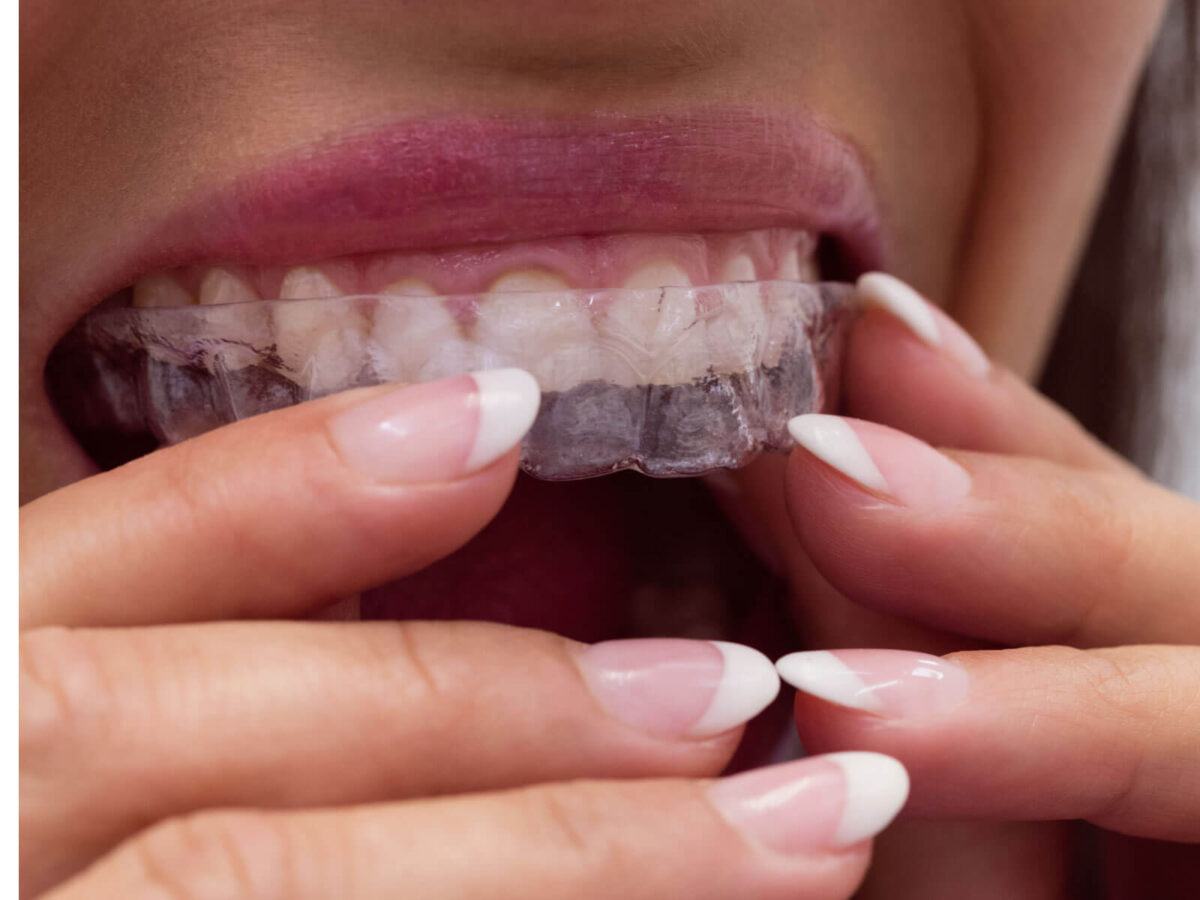
The trays are made from clear plastic and shaped to sit closely over the teeth. They fit snugly but still feel fairly comfortable. Because the material is transparent, many people say others hardly notice them. All of this is what allows Invisalign treatment to work step by step. One tray starts the movement. The next tray carries it forward.
Wearing the Aligners Each Day
When people learn how does invisalign work, wear time becomes an important part of the conversation. The trays need to stay in for most of the day. Usually about twenty to twenty-two hours.
They come out for meals. They also come out when brushing or flossing. Once that is done, the trays go back in so the teeth keep moving.
Some dentists compare it to following a recipe. Missing one step can change the final result. The same idea applies to the Invisalign process.
Keeping a constant routine makes a big difference. When the trays are worn regularly, Invisalign treatment can guide the teeth the way it was planned.
Why the Aligners Change Every Few Weeks
Each aligner moves teeth only a small distance. Once that movement happens, a new aligner continues the process. Many patients change aligners after a week or two. The shift is small, yet people notice it. A new tray may feel tight. That pressure usually fades quickly.
Research published through the National Library of Medicine explains that controlled orthodontic pressure allows teeth to move safely while the surrounding bone adjusts gradually.
Attachments That Help the Aligners Work
Some patients notice tiny tooth-colored bumps placed on certain teeth during Invisalign treatment. These are called attachments. They help the aligners grip the teeth better. Certain movements, like rotating a tooth slightly, become easier with these small anchors. Not everyone needs them. Some cases do. When the Invisalign process is finished, the attachments are removed.
Checkups During the Invisalign Process
The trays can be removed. That makes daily things easier, like eating or brushing. Still, patients come in for checkups during Invisalign treatment.
These visits are not very long. The dentist looks at the teeth and how they are moving. They also check the trays to see if the fit still feels right. It is mostly a progress check. Nothing complicated.
Sometimes patients are given new aligners during these visits. They take the next set home and continue wearing them as planned. Other times, the dentist simply reviews the progress and makes sure everything looks right.
These small appointments help keep things moving. They allow the dentist to guide the changes as the teeth shift. In the end, the purpose is simple. Keep the Invisalign process going the way it was planned.
How Much Time Does Invisalign Treatment Usually Needs
The length of Invisalign treatment depends on how much the teeth need to move. Some mild alignment changes take only several months. More complex cases require more time.
Many treatments last somewhere between twelve and eighteen months. The timeline is usually discussed during the first consultation. Every smile is different.
Daily Life with Invisalign
Once people understand how does invisalign work, daily life with aligners tends to feel fairly normal. The trays are removed before eating. People can still eat most foods, then brush their teeth afterwards, and place the aligners back in.
Because the trays are clear, they are much less noticeable than traditional braces. Many people appreciate that small detail.
FAQs
In what way do Invisalign differ from braces?
The main difference is the material used. Braces use metal wires. Invisalign uses clear trays.
Will the process hurt?
The first day with a new tray can feel strange. Maybe a little pressure. After a while, most people forget it is even there.
What is the timeline like?
The timing varies. Some smiles change faster than others.
Can I remove the trays?
Yes. They can come out for meals and brushing. Wearing them most of the day helps the treatment work well.
Conclusion
Many people feel confused at first when they hear about clear aligners. That usually changes once someone explains how does invisalign work in plain words. The idea is actually pretty simple.
The system uses a series of clear trays. Each one moves the teeth a tiny bit. Not a big jump. Just small changes over time. One tray follows another, and the teeth slowly shift into better spots.
The whole Invisalign process is planned ahead of time using digital scans. Dentists design the movement before treatment even begins. Then the custom trays are made to match that plan.
Patients wear each set of aligners for a short period. After that, they switch to the next one. Over time, small changes start to show. Teeth slowly move into better spots. Many people like that Invisalign treatment can straighten teeth without metal braces.
When teeth are crowded, a smile may not look even. Some people ignore it for years. Others finally decide to ask a dentist about it.
That visit can be helpful. The dentist may explain whether Invisalign treatment could help guide the teeth into better positions. Most people begin with one basic question. How does Invisalign work exactly?
Once the Invisalign process is broken down, people usually understand it better. It stops feeling confusing. Many patients say that is the moment they start thinking seriously about fixing their smile.