Blog
Dental hygiene tips for healthy teeth & gums
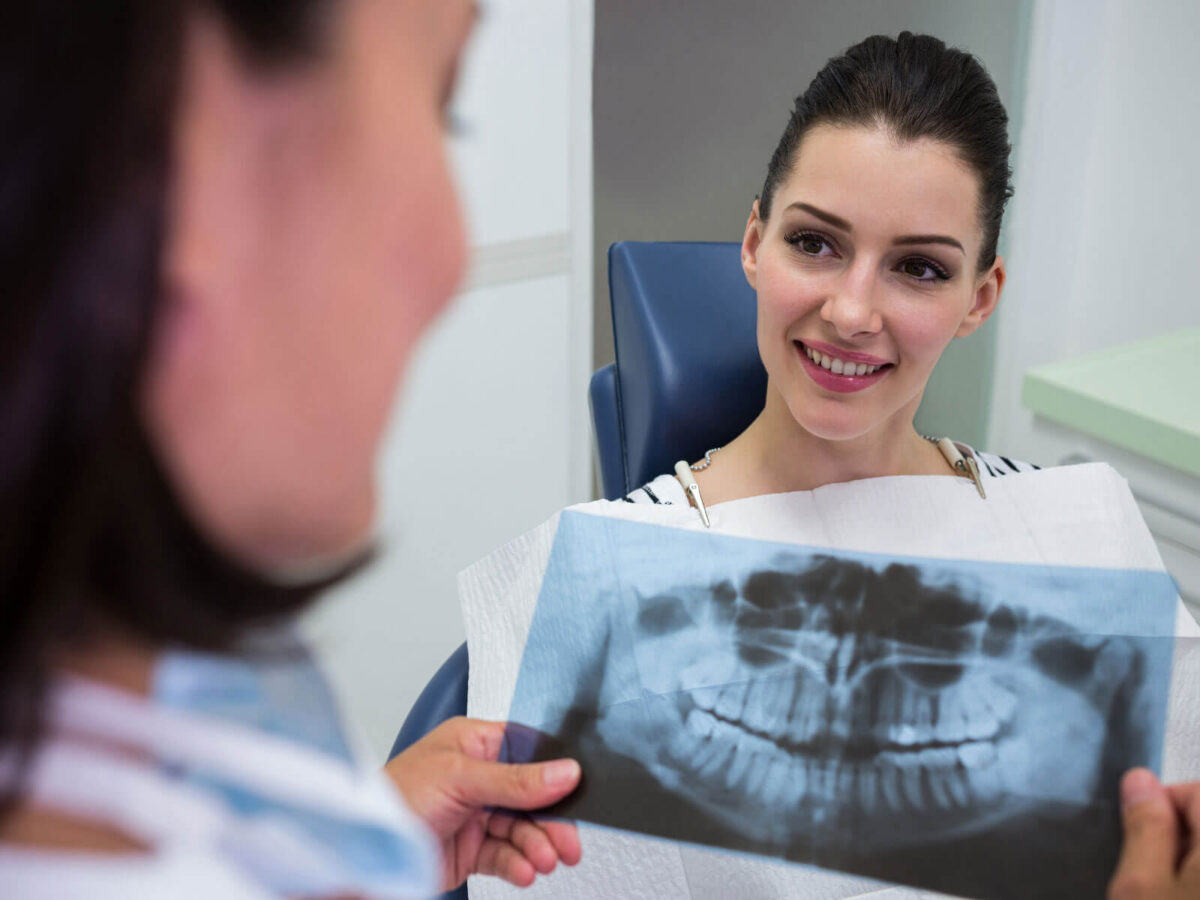
Are Dental X-Rays Safe During Pregnancy? Expert Advice
Nobody tells you that pregnancy turns every small decision into a full investigation. The X-ray comes up, the dentist mentions it casually, and suddenly there’s a whole internal debate happening in the chair. Most people I’ve spoken to about this just said no. Didn’t feel worth the risk.
The fear makes sense. There’s a baby involved, and radiation sounds like exactly the kind of thing you’re supposed to avoid. But that instinct assumes skipping the X-ray is automatically the cautious option. It isn’t always.
“Are dental X-rays safe during pregnancy?” is one of those questions where the anxiety tends to outrun the actual evidence. I think most people would make a different call if they knew what the research actually shows. So here’s what it shows.
What Do Major Health Organizations Actually Say
I’ve yet to find a major medical or dental body that says otherwise. The consensus here is unusually uniform.
ACOG states that dental X-rays with shielding of the abdomen and thyroid are safe during pregnancy. The ADA says the same. So does the FDA. That’s not a fringe position. It’s where the evidence has consistently pointed.
What I find interesting is that ACOG doesn’t just say X-rays are tolerable. They go further than that, actively pushing ob-gyns to bring up oral health at the first prenatal visit and encourage patients to see a dentist. That’s not a reluctant green light. That’s a recommendation.
Is the Radiation From a Dental X-Ray Even Significant
The numbers tend to change people’s minds faster than anything else I can say about this.
Is it safe to have dental X-rays while pregnant comes down partly to the dose. The International Atomic Energy Agency reports that fetal exposure from a dental X-ray, even including cone beam CT, is estimated between 0.009 and 7.97 microsieverts. That’s typically less than the natural background radiation a fetus absorbs in a single day just from existing in the world.
The beam is aimed at the mouth. It doesn’t travel to the abdomen in any meaningful way. I’ve heard people describe being afraid of dental X-rays the same way they’d be afraid of a CT scan of the abdomen, and those are genuinely different things. The exposure isn’t remotely comparable.
Does the First Trimester Change Anything
It’s the question I hear most. The first trimester is when fetal development is most rapid, organs are forming, cells are dividing fast, and people understandably want to be most careful during those weeks.
Mayo Clinic notes that the possibility of an X-ray causing harm to a fetus is very little, and that the radiation levels capable of causing developmental damage are significantly higher than anything a dental X-ray produces. We’re not in the same ballpark.
That said, non-urgent X-rays are often pushed to the second trimester when possible. Most dentists do this by default, just as an extra layer of caution. If something urgent comes up in the first trimester, though, waiting isn’t automatically the safer call.
What Precautions Does a Dentist Take
Before the X-ray even happens, a few things go into place. A lead apron over the abdomen, a thyroid collar around the neck. ACOG, the ADA, and the FDA all recommend this shielding as standard for pregnant patients. It brings the exposure down even further from an already small number.
Digital X-ray equipment has also changed things. Older film systems used more radiation. What’s in most dental offices now uses a fraction of that, with shorter exposure times and sharper images.
I’d mention the pregnancy at the start of the appointment regardless. Not because the dentist might not ask, but because it puts everything on the table before anything gets started.
What Does Pregnancy Actually Do to Your Teeth
Teeth tend to be the last thing on anyone’s mind when they find out they’re pregnant. They probably shouldn’t be.
Progesterone rises during pregnancy, and gum tissue gets more reactive as a result. Plaque that would’ve caused minor irritation before can trigger swelling and bleeding pretty fast.
I’ve heard people describe their gums bleeding during brushing for the first time in their lives, somewhere around the second month. Dentists have a name for it, pregnancy gingivitis, and it shows up often enough that they’re specifically looking for it.
Then there’s morning sickness. Stomach acid hitting the teeth repeatedly wears enamel down over time. Brushing right after being sick speeds that process up. Rinsing with water and giving it some time before brushing is the better move.
What Happens If You Avoid X-Rays Altogether
Most of the worry runs in one direction. People think about what the X-ray might do. Almost nobody thinks about what skipping it might do.
A dental infection doesn’t hold still. An abscess caught early is a straightforward fix. Left alone, it can move into the surrounding bone and tissue. In pregnancy, that kind of escalation means stronger antibiotics, more invasive procedures, and a much harder situation to manage than the original X-ray would have been.
I’ve seen people avoid the imaging and end up in a significantly worse place a few weeks later. “Are dental X-rays safe during pregnancy?” is worth asking. So is: what’s the cost of skipping one when it’s actually needed?
When Is It Actually Fine to Wait
There’s a difference between postponing a routine X-ray and avoiding a diagnostic one when something’s wrong.
Routine X-rays, the kind taken at an annual checkup when everything looks fine and there are no symptoms, can usually wait until after delivery. Most dentists will suggest this without being asked, and it’s a reasonable call when there’s no pressing clinical reason.
Diagnostic X-rays are different. Pain, swelling, a suspected abscess, those aren’t situations where waiting nine months is a reasonable plan. The problem doesn’t pause because the X-ray does.
FAQ
I’m scared a dental X-ray will hurt my baby. Is that a real risk?
Not based on anything in the research. The beam stays in the mouth, the dose is tiny, and there’s no evidence connecting dental X-rays to miscarriage at any stage.
Should I bring up my pregnancy before my dental appointment?
Yes, and early in the appointment. It shapes what precautions go into place before anything starts.
Why do people say the second trimester is better for dental work?
Partly comfort, partly habit. By the third trimester, the chair gets hard to sit in for long, and the first trimester is when most people want to be extra cautious. The second just tends to work out as the easier window.
Got an X-ray in early pregnancy by accident. Is the baby okay?
Most likely fine. Bring it up with your OB, so it’s on the record, but a single dental X-ray at that dose isn’t something that typically warrants concern.
So What Should I Actually Do
Tell your dentist you’re pregnant before the appointment gets going. Not halfway through, not when the X-ray comes up. Before anything starts. The shielding goes on, the right questions get asked, and nothing gets decided without the full picture.
I’ve looked into “are dental X-rays safe during pregnancy” more than most people probably have. Every major organization lands in the same place. The dose is tiny. The shielding does its job. And in my experience, the bigger risk usually isn’t the imaging. It’s the infection that went undetected for weeks because someone decided the X-ray felt too scary to take.
Pregnancy is already a lot to carry. Dental health shouldn’t be the thing that quietly gets worse in the background while everything else is being managed.