Blog
Dental hygiene tips for healthy teeth & gums
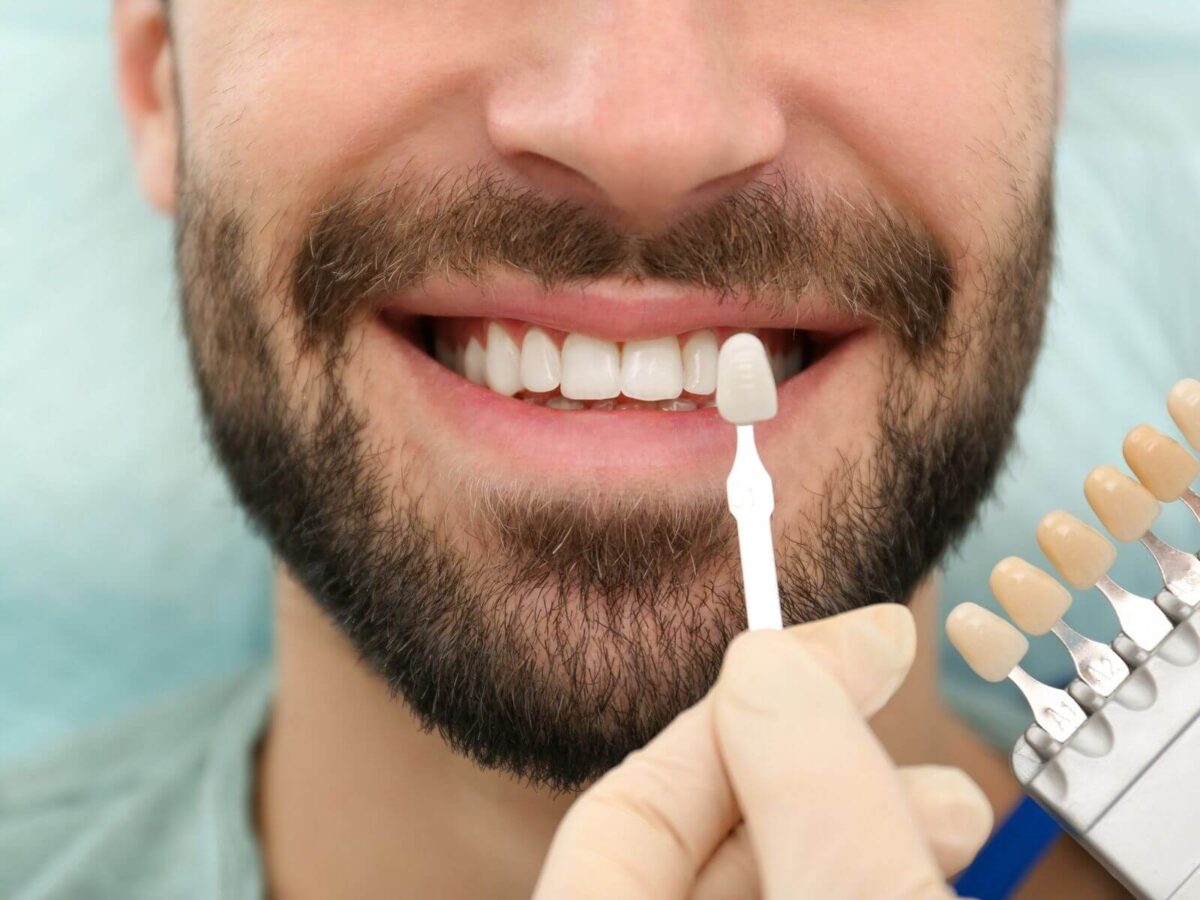
Dental Veneers Cost: Porcelain vs. Composite Price Breakdown
Most people don’t start by asking what veneers are. They already kind of know. It’s more about the cost. Because veneers are one of those things you hear about and immediately assume they’re expensive. Not slightly expensive… but the kind where you need to sit down and really think before committing. So the question usually comes out pretty directly. How much is this actually going to cost me?
And when you start looking into “dental veneers cost”, it doesn’t feel very clear. One place says one thing. Another says something else. After a point, you’re not sure what actually makes sense. It usually comes down to more than just the veneers themselves.
Why Dental Veneers Cost Isn’t One Number
It would be easier if it were. One treatment, one price. But veneers don’t work like that. The cost of dental veneers depends on the type you choose, how many teeth you’re getting done, and where you’re getting them done. Even the dentist’s experience can change the price. So when you see a wide range, it’s not random. It’s because every case is slightly different.
Porcelain Veneers — Where Costs Start Climbing
For a lot of people, porcelain veneers come to mind first. They’re seen as the premium option. Made in a lab. Designed to match your teeth closely. Shape, color, all of it. The idea is to keep it natural. And it usually works.
But then the cost comes in. The dental veneers cost per tooth here often starts near $800. It can go up to $2,500 or even higher in some cases.
And since it’s not just one tooth most of the time, the total builds up fast. That’s why porcelain is usually what people are talking about when they say veneers are expensive.
Composite Veneers — Often The More Affordable Option
Composite veneers usually feel like a middle option for a lot of people. They’re done directly on the tooth using a resin material, and the dentist shapes and polishes them in the same visit. There’s no lab work involved, which is one of the reasons they cost less. In most cases, the prices for dental veneers with composite tend to start around $250 and can go closer to $1,000 per tooth depending on what’s needed.
At first, the price difference feels like a big win. But then you start looking at the other side. They don’t last as long. They can stain too. And sometimes they need fixing earlier than expected. So even if the dental veneers cost is lower in the beginning, it doesn’t always stay that way later on.
Why People Still Choose Porcelain Despite the Price
It’s not just about strength. It’s also about how they hold up over time. Porcelain veneers usually hold their color better over time.
They don’t stain as easily either. And they last longer overall. Some go 10 to 15 years, sometimes more. It depends on care. So even though the cost of dental veneers is higher at first, people don’t always see it as extra. There’s less to deal with later. Fewer replacements. That’s usually the thinking.
What Actually Affects the Final Cost
Material is one factor, but not the only one. The number of veneers matters. Doing one or two teeth is very different from doing a full set. Then there’s the preparation involved. Some cases need minimal work, others need more detailed shaping or adjustments.
Location matters too. Bigger cities tend to be more expensive than smaller places. Not necessarily because the treatment is better, but because operating costs are higher.
So when you compare dental veneers cost, you’re not just comparing the veneers. You’re comparing the entire setup around them.
A Quick Reality Check With Numbers
To keep it simple:
Composite veneers are generally more affordable. They often start around $250 and can go up toward $1,000 per tooth depending on what’s needed.
Porcelain veneers are higher in cost. They usually begin near $800 and can go up to $2,500 or more per tooth.
If you’re considering multiple teeth or a full smile, the total can rise fast. It can reach a few thousand and sometimes go beyond $10,000.
As per the American Dental Association (ADA), veneers fall under cosmetic procedures. That’s why insurance doesn’t usually cover them, and the cost is paid out of pocket.
Why Insurance Usually Doesn’t Help Much
This is something that catches people off guard. Veneers usually aren’t covered by insurance. They fall under cosmetic treatment, so they’re not considered necessary in that way. There are exceptions sometimes, but not very often.
So when you think about dental veneers cost, it’s mostly the full amount you’re working with. That’s why people slow down here and compare their options before deciding.
Do Cheaper Veneers Actually Save Money?
In the beginning, it can feel that way. Composite veneers cost less at first, which makes them easier to go for. But they don’t last as long, so maintenance can come up sooner. Porcelain costs more in the beginning. But it usually lasts longer. Over time, the difference can even out.
It all comes down to how long they last and how well they’re maintained. So the “cheaper vs expensive” comparison isn’t always that simple.
Why Some People Only Get a Few Veneers Instead of a Full Set
This is something people don’t always realise at first. It doesn’t have to be your entire smile. Some people only go for the front teeth, the ones that actually show. And that alone can make a noticeable difference. It also keeps the dental veneers cost lower compared to doing every tooth. So it’s not always about going all in. It can be a more selective approach. And for a lot of people, that’s enough to feel good about the change without doing too much.
What People Often Underestimate
It’s not just the cost you have to think about. There’s a commitment involved, too, and that part is easy to miss at first. Veneers aren’t something you can just try to undo later without any impact.
Especially porcelain ones, since the tooth is slightly reshaped during the process. Once that’s done, it’s not really reversible in a simple way. So it’s not just about the cost. Being ready for it matters too. That part doesn’t always come up at the start, but it tends to matter later.
So, What Should You Expect, Realistically
If you’re trying to picture it clearly: A small change with composite veneers might cost a few hundred dollars per tooth. A full transformation with porcelain veneers can go into the thousands. Sometimes much higher.
So the answer to how much does cosmetic dentistry cost—at least when it comes to veneers—isn’t one number. It’s a range shaped by choices.
FAQs
1. What would veneers cost for a single tooth?
The “dental veneers cost per tooth” can vary. Composite tends to be on the lower side. Porcelain is higher and depends on the case.
2. Are porcelain ones more expensive than composite?
Yes, usually. But they also last longer and look better over time.
3. Does insurance help with veneers at all?
Not really in most cases. It falls under cosmetic treatment. That is why it’s not usually covered.
4. Is it okay to get veneers only on some teeth?
Yes, that’s pretty common. People usually focus on the teeth that show.
Conclusion
When people think about “dental veneers cost”, they usually expect one clear number. But it doesn’t really work that way. It depends on what you want to change and what your teeth actually need once a dentist looks at them properly. For some, it’s a small adjustment. For others, it takes more planning, and that’s where the cost of dental veneers starts to vary a bit.
At first, those general numbers seem useful. You look at them and think you’ve got a rough idea. But after a while, it doesn’t feel that simple anymore. Things don’t line up exactly. If you’ve been thinking about veneers and still feel unsure? It might be better to just talk it through with a dentist and see what fits your case. That usually clears things up faster. A short consultation can help you understand what to expect and make things feel less uncertain before you decide.