Blog
Dental hygiene tips for healthy teeth & gums
Dental Implants vs. Dental Bridges: Cost, Pros, Cons, and Which Is Better
At first, people usually focus on the missing tooth itself. How it looks. Whether it’s noticeable while talking. Whether chewing feels strange now. But once the dentist starts discussing replacement options, the conversation suddenly becomes more complicated than expected.
Because now you’re comparing surgeries, costs, healing times, durability, insurance coverage… and trying to figure out which option actually makes sense long term. That’s where the whole dental implants vs dental bridges discussion starts getting confusing for a lot of people. Both replace missing teeth. Both can look natural. Both are common. But they work very differently once you look closer.
What Really Separates Implants From Bridges
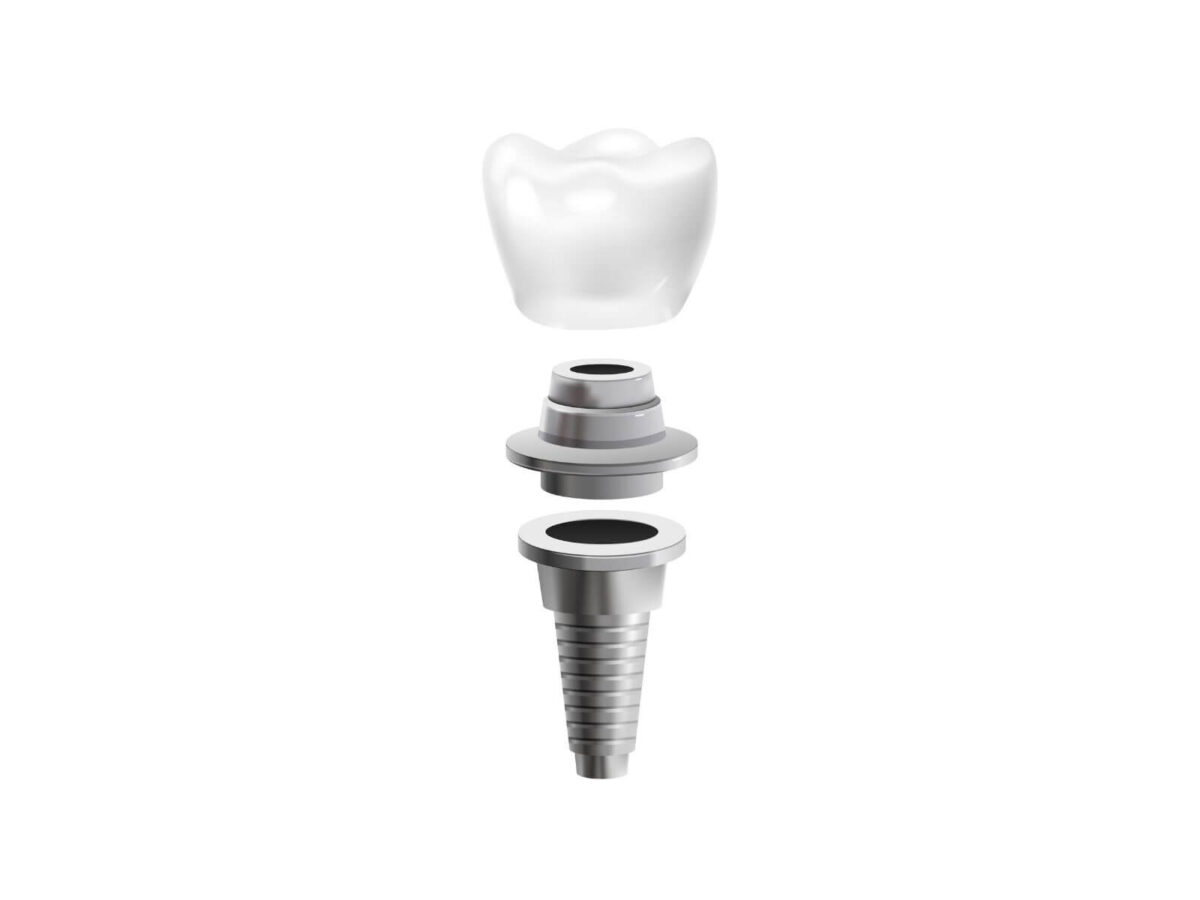
The biggest difference between “dental implants vs dental bridges” is how the missing tooth gets supported. An implant replaces the root itself by placing a titanium post directly into the jawbone. After healing, the crown sits on top and functions independently.
A bridge relies on the surrounding teeth instead. The artificial tooth stays connected between them, which means those nearby teeth usually need to be prepared first.
That one detail changes a lot afterward. Healing, maintenance, cost, and the effect on surrounding teeth can all vary depending on which treatment someone chooses.
Why Do So Many Dentists Recommend Implants Now
Part of the reason is that implants function more like natural teeth. They stay independent instead of depending on the teeth nearby for support. That means the healthy teeth beside the gap usually do not need to be reshaped, which is one reason implants became much more popular over time.
Research published through NIH-backed sources shows dental implants generally have very high long-term survival rates, often above 90% over many years when maintained properly. That kind of long-term stability matters. Especially for younger patients, replacing a tooth early in life.
Why Do Many People Still Choose Bridges
Because implants are not automatically better for every situation. That’s the part people miss online.
Bridges are usually faster. Often less expensive upfront, too. Some people deal with bone loss or medical conditions that complicate implant treatment. Smoking habits and cost can also become important factors. And honestly, not everyone wants surgery.
A dental bridge can often be completed within a few weeks, while implants may involve several months of healing depending on the case.
So the answer to “dental bridge vs implant, which is better?” is not as universal as advertisements make it sound.
How Much More Can Dental Implants Cost
This is where people pause. Because implants are expensive. A single implant with the crown often ranges between 3,000 – 6,000 dollars in many parts of the U.S., sometimes more, depending on bone grafting or additional procedures.
Bridges usually cost less initially. Traditional bridges often range somewhere between 2,000 – 5,000 dollars, depending on materials and the number of teeth involved.
But here’s where the conversation changes a little: bridges may need replacement sooner than implants in some cases. So, a lower initial cost does not always mean a lower lifetime cost.
What Feels More Natural Once Treatment Is Finished
A lot of people comparing dental implants vs dental bridges ask which one feels more natural. Implants are placed into the jawbone itself. That is why many people say they feel closer to natural teeth once healing finishes. The pressure while chewing often feels more evenly distributed, too.
That does not mean bridges feel uncomfortable, though. A well-made bridge can still function extremely well for many years. The difference often becomes more noticeable gradually instead of immediately after treatment.
Why Does Bone Loss Matter So Much Here
Something else changes after a tooth is lost: the bone underneath starts reacting too. Without the root sitting there anymore, the jawbone no longer receives the same chewing force, which can lead to slow shrinking later on.
Implants help reduce that bone loss because they replace the root structure, too. Bridges don’t. According to NCBI research, implants may better preserve jawbone volume over time compared to traditional bridges. That’s one reason implants are often viewed as a more long-term solution.
What Are the Downsides of Dental Implants
People comparing “dental implants vs dental bridges” online sometimes hear implants described as if they are automatically the better option. They are not perfect, though. Healing can take months. Surgery is still involved. Costs are usually higher, too. And while implants succeed very often, smoking and certain health conditions like diabetes can still create complications later.
Not everybody feels comfortable going through surgery, even for a dental implant. For some patients, bridges feel less stressful mentally from the beginning. And realistically, emotional comfort still plays a role in treatment choices.
What Are the Downsides of Bridges?
The main issue is support. To place a traditional bridge, healthy neighboring teeth usually need reshaping. That means removing part of otherwise healthy tooth structure permanently. That tradeoff bothers some patients once they understand it fully.
Bridges also create areas underneath where cleaning becomes more important and slightly more complicated. Food trapping can become an issue if hygiene slips over time. And eventually, some bridges need replacement.
Why Age and Lifestyle Affect the Decision More Than People Realize
A younger patient missing one tooth may lean toward implants because of the long-term benefits. Someone older may prefer avoiding surgery and finishing treatment faster. Lifestyle matters too.
Smoking can make implant healing more difficult for some patients. Bridges can also feel less stressful for people who already feel nervous about dental surgery. That is why dentists usually look at the whole situation first. They don’t recommend the exact same treatment for everyone.
What Research Says About Lasting Success
Research consistently shows strong success rates for both treatments when maintained properly. But implants generally show slightly higher long-term survival and bone preservation outcomes compared to bridges in many studies. That doesn’t make bridges bad. It just means implants often perform better over very long timelines.
Why Insurance Complicates Everything
Coverage varies a lot. Some insurance plans contribute toward bridges more readily than implants because implants are sometimes classified differently depending on the provider. Others partially cover implants now because they’ve become so common.
So treatment recommendations and financial realities don’t always align neatly. And honestly, that frustration comes up constantly in these conversations.
What Numbers Help Put This Into Perspective?
- Dental implants often show survival rates above 90% long term
- Bridges usually cost less up front than implants
- Implants help preserve the jawbone better over time
- Bridge treatment is usually faster than implant treatment
Those numbers explain why the debate around “dental implants vs dental bridges” never really has one simple winner.
FAQs
In “dental implants vs dental bridges”, which option tends to last longer?
Implants often last longer. But that only happens when they are maintained properly.
Is an implant always better for one missing tooth?
Not always. Some patients still do better with a bridge depending on their situation.
Do bridges cost less in the beginning?
Yes. Bridges are often cheaper upfront.
Why do some people prefer implants?
A lot of patients feel implants seem more natural while chewing and speaking.
Conclusion
The difficult part about dental implants vs dental bridges is that both treatments sound good online. Then the details start getting more personal. Implants may last longer and help support the jawbone over time. Bridges are usually faster to finish and may cost less upfront. But the “better” option often depends on things people do not think about immediately, like bone health, surrounding teeth, healing preferences, and long-term upkeep later on.
If you are trying to decide “dental bridge vs implant, which is better?”, it honestly helps to stop comparing generic online opinions after a while. A dental consultation usually gives clearer answers because the dentist can actually evaluate your teeth, jawbone, and treatment goals directly.