Blog
Dental hygiene tips for healthy teeth & gums
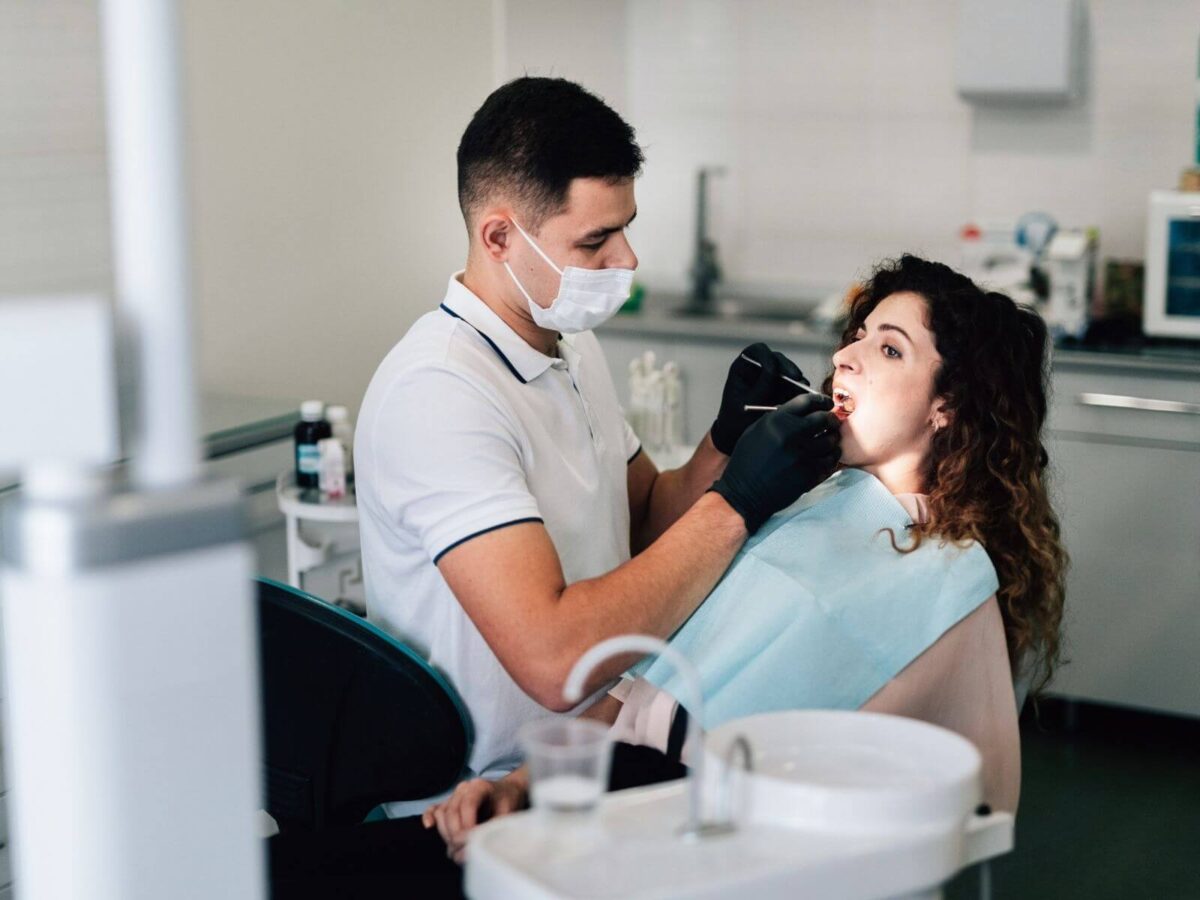
How to Choose an Orthodontist: 7 Things to Look For
Most people start by searching online and comparing a few offices. The problem is that every website promises great care and amazing results. So, after a while, they all start blending together. Everyone promises personalized care. Everyone shows perfect before-and-after photos. Every clinic says they use modern technology.
So, figuring out how to choose an orthodontist becomes harder than expected pretty quickly. Especially because orthodontic treatment is not a small commitment. You’re trusting someone with your teeth for months, sometimes years. That’s a long relationship to enter based only on reviews and a polished homepage. And honestly, people usually realize that after the first consultation, not before.
1. The First Consultation Tells You More Than the Website Ever Will
One thing people realize pretty quickly while learning how to choose an orthodontist is that websites do not always tell the full story. Some clinics market themselves beautifully online and then rush through consultations in ten minutes. Others may not look nearly as impressive online, but they explain treatment clearly and make people feel comfortable asking questions.
That communication matters a lot once treatment begins. You should leave the appointment understanding your options instead of feeling pressured into making a fast decision. Most people can tell pretty quickly when an orthodontist is actually listening versus simply trying to sell treatment.
2. Experience Matters… But Not in the Way People Think
People often focus only on years of experience. Obviously, that matters. But what matters just as much is whether the orthodontist regularly handles cases similar to yours. Mild crowding is one thing. Bite correction or jaw alignment is another. That’s why asking questions helps more than people expect.
Not aggressive questions. Just normal ones. How often do they treat similar cases? What options do they usually recommend? Whether they see any challenges specific to your situation. That conversation reveals a lot naturally.
3. The Cheapest Option Usually Isn’t the Full Story
This is where people get trapped sometimes. Orthodontic treatment is expensive enough that lower pricing immediately grabs attention. And honestly, that reaction is understandable. Braces and aligners can cost thousands of dollars. But lower cost does not always mean better value long term.
In some cases, cheaper treatment plans leave out retainers or additional visits later on. Sometimes it means less supervision during treatment. And occasionally, clinics rush consultations because they’re focused more on volume than individualized care. So while cost matters, it shouldn’t become the only thing guiding the decision. That usually backfires eventually.
4. Communication Style Ends Up Mattering More Than Expected
This part of “how to choose an orthodontist” does not seem like a huge deal in the beginning. Then treatment starts, and suddenly you are seeing that office regularly for months or sometimes years. If appointments already feel rushed during the consultation stage, that feeling usually becomes more frustrating later instead of improving.
At first, people usually care more about results than communication style. That changes pretty quickly once regular appointments begin. Long treatments become much easier when the orthodontist explains things properly and answers questions without making the conversation feel rushed or awkward.
5. Technology Helps, But It’s Not Everything
While learning how to choose an orthodontist, a lot of people get pulled in by technology first. Orthodontic offices advertise everything from 3D imaging to AI-guided aligners and advanced digital scanners now. Some of that technology genuinely does help. Digital scans can improve treatment planning, and modern aligner systems have changed orthodontic care quite a bit over the last several years.
The American Association of Orthodontists also notes that newer technology continues to improve treatment precision and customization. Still, equipment alone does not guarantee better care. An experienced orthodontist making good decisions matters far more than expensive technology being used poorly. Marketing sometimes makes people forget that part.
6. Reviews Matter… But Patterns Matter More
People read reviews emotionally. People often fixate on one bad review, particularly when they already feel nervous about starting treatment. Looking at repeated patterns across reviews usually gives a clearer picture. Do multiple people mention poor communication? Long wait times? Unexpected costs? Or do reviews mostly talk about people feeling relaxed and informed during treatment?
That overall pattern usually tells a more realistic story than one dramatic comment buried in the middle somewhere.
7. Convenience Starts Feeling More Important Later
Nobody thinks much about appointment logistics in the beginning. Then six months into treatment, long drives and difficult scheduling suddenly become exhausting. Orthodontic treatment involves repeat visits, adjustments, monitoring, and emergencies sometimes.
So location matters more than people assume initially. Not enough to choose the wrong orthodontist, obviously, but enough that convenience becomes part of the bigger decision. That matters even more for families juggling work schedules, school, and constant appointments.
Why Does Every Orthodontic Office Start Feeling the Same?
Because everyone sounds similar online. That’s really the issue. Most websites use the same phrases, same promises, same polished language. So people searching “how to pick an orthodontist” often end up comparing marketing instead of actual care quality.
That’s why consultations matter so much. The experience itself usually becomes clearer once you’re physically there, talking to someone instead of reading another homepage.
What Should You Actually Ask During a Consultation?
Not complicated things. Just practical questions people genuinely want answered:
- How long might treatment realistically take?
- What happens if teeth don’t move as expected?
- Are retainers included?
How often are appointments needed?
What alternatives exist besides the first recommendation?
The answers themselves matter, obviously. But so does how the orthodontist explains them.
How Do People Usually Find the Right Orthodontist Eventually?
Interestingly, it’s rarely because of one perfect feature. It’s usually a combination of things feeling right together. Clear explanations.
Reasonable treatment plans. Good communication. No pressure during consultations. That overall comfort level tends to matter more than people expect at the beginning. And honestly, most people can tell pretty quickly when something feels off.
What Has Research Found About Orthodontic Decisions?
Research in orthodontic journals has shown that patients often value trust, communication, and confidence in the orthodontist just as much as treatment cost. Studies discussing patient expectations in orthodontics have reported that people care a lot about understanding what is happening during treatment.
That probably makes sense to most people once treatment actually begins. Over time, the repeated appointments start mattering more than the original advertisement or website ever did. Good communication becomes a much bigger deal once treatment is ongoing.
What Numbers Give a Better Picture of Orthodontic Treatment
- Orthodontic treatment commonly lasts between 12–36 months, depending on complexity
- Adult orthodontic treatment continues to increase globally
- Communication and trust strongly influence patient satisfaction in orthodontic care
- Digital orthodontic technologies continue expanding rapidly (AAO research)
Those numbers explain why choosing carefully matters more than people realize initially.
What Questions Do People Usually Ask About This?
What matters most in “how to choose an orthodontist”?
Pay attention to communication, honesty, and how clearly treatment is explained.
Why do some orthodontic offices feel more trustworthy?
The explanation style and overall honesty often make a big difference.
Is it smart to meet more than one orthodontist?
Yes. After a couple of consultations, people usually start noticing which office feels right.
Does experience affect orthodontic treatment?
It can, particularly in difficult alignment or bite correction cases.
Conclusion
At first, “how to choose an orthodontist” can feel more confusing than people expect. Every office sounds experienced. Every consultation promises good results. After a while, the details start blending together. The real difference usually comes down to smaller things instead. Does the orthodontist explain treatment clearly? Do appointments feel rushed? Are they honest about timing and expectations? Those details tend to matter much more once treatment actually begins.
If you are still trying to figure out how to find an orthodontist that actually feels right, do not rush into the first office you visit. Meet a few different providers first. The way they explain treatment and respond to questions matters more than people expect once treatment really begins.