Blog
Dental hygiene tips for healthy teeth & gums
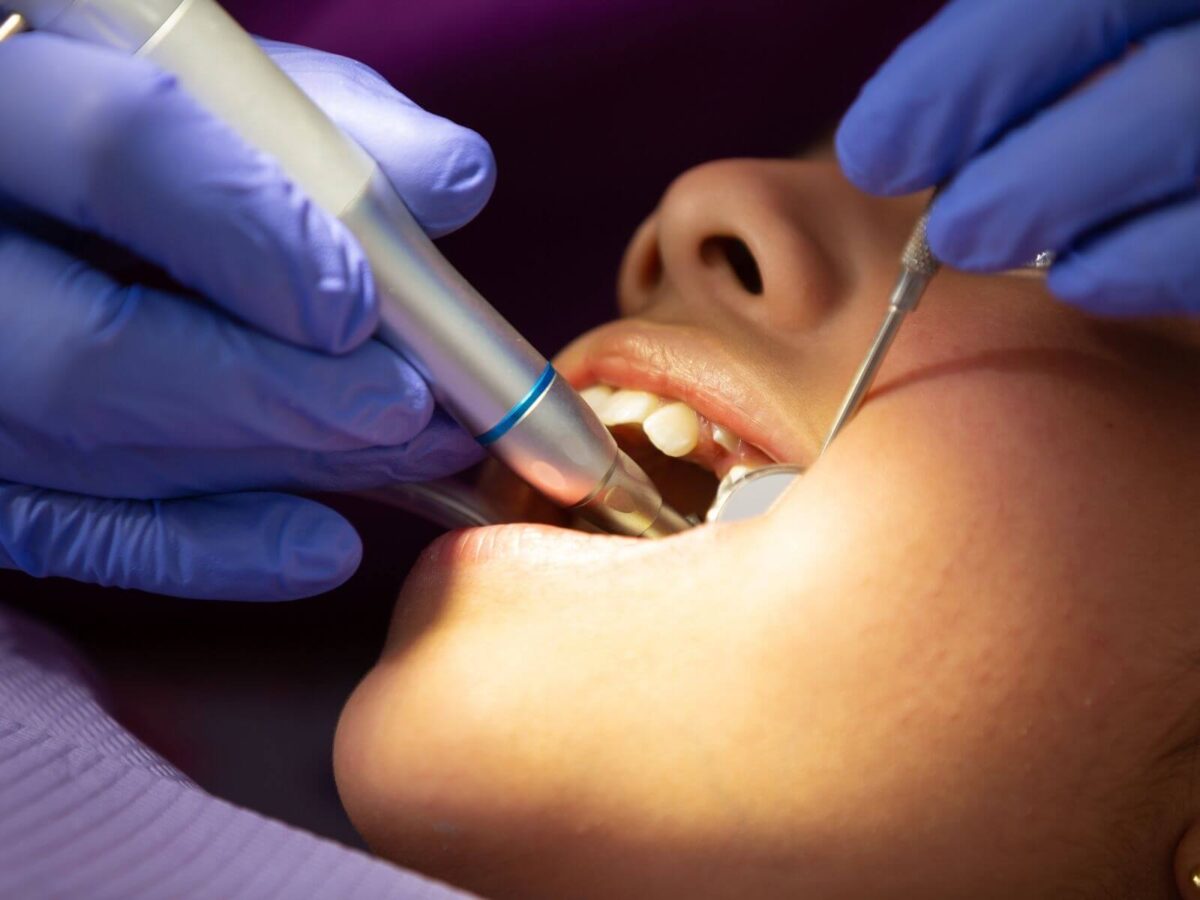
Cavity Filling Cost: What to Expect With and Without Insurance
The word “cavity” doesn’t really sound like a big deal at first. You hear it at the dentist, and it comes across as something small. Easy to deal with. Something that can be handled quickly and then forgotten about. But almost immediately after that, your brain jumps somewhere else. Cost.
Not the procedure. Not how it works. Just that one question sitting there quietly—how much does a cavity filling cost, and whether it’s going to be simple or something you need to plan around. And the answer, unfortunately, doesn’t come in one neat number. It moves.
Why Cavity Filling Cost Isn’t One Fixed Price
At first, it feels like it should be. Same problem, same treatment, same cost. That would make sense. But when you actually look into it, the cavity filling cost depends on a mix of things that don’t seem obvious until you’re in it.
The size of the cavity changes things. A small one is quicker to handle. A larger one takes more time and material. The location matters too. Front teeth are different from molars, not just in shape but in how easy they are to work on.
And then there’s the material. That’s when the cost can start to vary more. Two people might visit the same clinic on the same day and still not pay the same amount.
What You Might Pay Without Insurance
This is usually the part people want to understand first. If you’re paying on your own, the cavity filling cost without insurance can feel a bit unpredictable. A smaller filling might sit somewhere around 100 – 200 dollars. That’s usually for simpler cases using basic materials.
But it doesn’t stay in that range every time. A bigger cavity or a tooth-colored filling can push it up. Sometimes it’s around 250. Sometimes 300. And in a few cases, even more than 400. It mostly depends on how much needs to be done and the material used.
As per GoodRx, the average cost of cavity filling in the U.S. often starts near 100 dollars and can cross 400 or more for each tooth, depending on a few factors.
So if you’re trying to figure out the tooth cavity filling cost, it’s better to look at it as a range instead of a fixed price.
How Insurance Changes the Picture
Insurance makes things feel different. Not always simple, but different. Most dental insurance plans cover basic restorative procedures like fillings, often around 50 – 80 per cent. So instead of paying the full amount, you’re paying a portion of it. That’s where the cavity filling cost with insurance becomes easier to handle.
Things don’t always stay that simple. Some plans only cover certain materials. Others have yearly limits. Some require waiting periods before coverage starts. So while insurance reduces the cost, it doesn’t make it completely predictable. It still helps, though. And for most people, the difference is noticeable.
The Material You Choose (Or Are Advised to Choose)
This part plays a bigger role than most people expect. There isn’t just one type of filling.
Silver fillings, also called amalgam, are usually less expensive. They’re strong and have been used for a long time, especially for back teeth where chewing pressure is higher.
Tooth-colored fillings, also known as composite, are usually priced higher. They’re designed to look like your natural teeth. So they’re often picked for areas that show when you smile.
Then there are ceramic options. These usually cost more. But they’re quite durable and look very natural.
According to the American Dental Association (ADA), materials aren’t all the same. They differ in cost, durability, and appearance. So dentists don’t rely on a single option. They usually suggest what fits your situation best.
So when people compare cavity filling costs, the material is usually one of the main reasons prices differ.
Why the Same Filling Can Cost More in One Place Than Another
Where you get it done changes things more than people expect. In bigger cities, clinics usually charge more. Smaller towns are often less expensive. It’s not really about better treatment. It’s more about higher costs in those areas and how pricing works there. The same filling doesn’t cost the same everywhere.
That’s why “how much does a cavity filling cost” doesn’t have one answer.
When the Cost Goes Up (Even After an Estimate)
Sometimes things turn out a little different once the dentist actually starts. Not always, but it happens. A cavity can look pretty small from the outside, and then end up going deeper than expected. When that happens, a bit more work is needed. It might need extra cleaning. You may also need more material. And sometimes, an added layer is used to protect the tooth. Nothing unusual, just how it goes sometimes.
When that happens, the final tooth cavity filling cost can be slightly higher than expected. It’s not about adding unnecessary work. It’s about addressing what’s actually there.
A Few Numbers That Help Put It All Into Perspective
- Small fillings may start around $100
- Tooth-colored fillings often range between 150 – 400+ dollars.
- Insurance may cover 50 – 80 per cent of the cost
- More than 90% of adults have experienced cavities, according to the CDC
They’re not exact for every case. Still, they help you get a general idea.
Why People Delay It (Even When They Know Better)
It’s usually not the fear of the procedure. There is hesitation about the cost. When the pain is really not that intense, you try to just ignore it. And not knowing the cost makes it even easier to delay it. But that’s where things shift. A small cavity doesn’t stay small. It grows. And when it grows, the treatment becomes more complex—and more expensive. So what started as a small cost can turn into a bigger one later.
So, What Should You Expect
Without insurance, expect to pay somewhere between 100 – 400 dollars or more, depending on the situation. Insurance can reduce the amount you pay. How much it drops depends on your plan. So the average cost of cavity filling isn’t a single number. It’s a range shaped by details.
FAQs
What is the price of a cavity filling?
It can start at about 100 dollars in simpler cases. It can go up to around 400 or even higher if things are more involved.
What is the cavity filling cost without insurance?
When you look at the cavity filling cost without insurance, it usually sits in that same range. Sometimes just over 100, sometimes crossing 400, depending on what’s needed.
What is the cavity filling cost with insurance?
If you have insurance, the amount you pay is usually lower. In many cases, it cuts it down by around half. Sometimes it goes even lower than that.
How does the price of a tooth filling vary?
A few things play a role here. The material used matters. So does how big the cavity is, and where you get it treated.
Conclusion
A lot of people expect the cavity filling cost to be one fixed number, something simple and easy to predict. But it usually doesn’t work like that. It can shift depending on a few small things. How deep the cavity is, the material used, and even where you go for treatment all play a role. These details don’t seem like much at first, but they do affect the final cost.
You might have come across the average cost of cavity filling online and tried to compare it with your situation. It helps a little, but it doesn’t really show everything. Everyone’s case is slightly different.
If you’ve been advised to get a filling, it helps to just ask for a proper cost breakdown. Nothing complicated. Just clear information. Still not sure? You could book an appointment and just have a quick conversation with your dentist. It allows you time to know what you want to do. You are not pressured to be in a hurry to decide on anything.