Blog
Dental hygiene tips for healthy teeth & gums
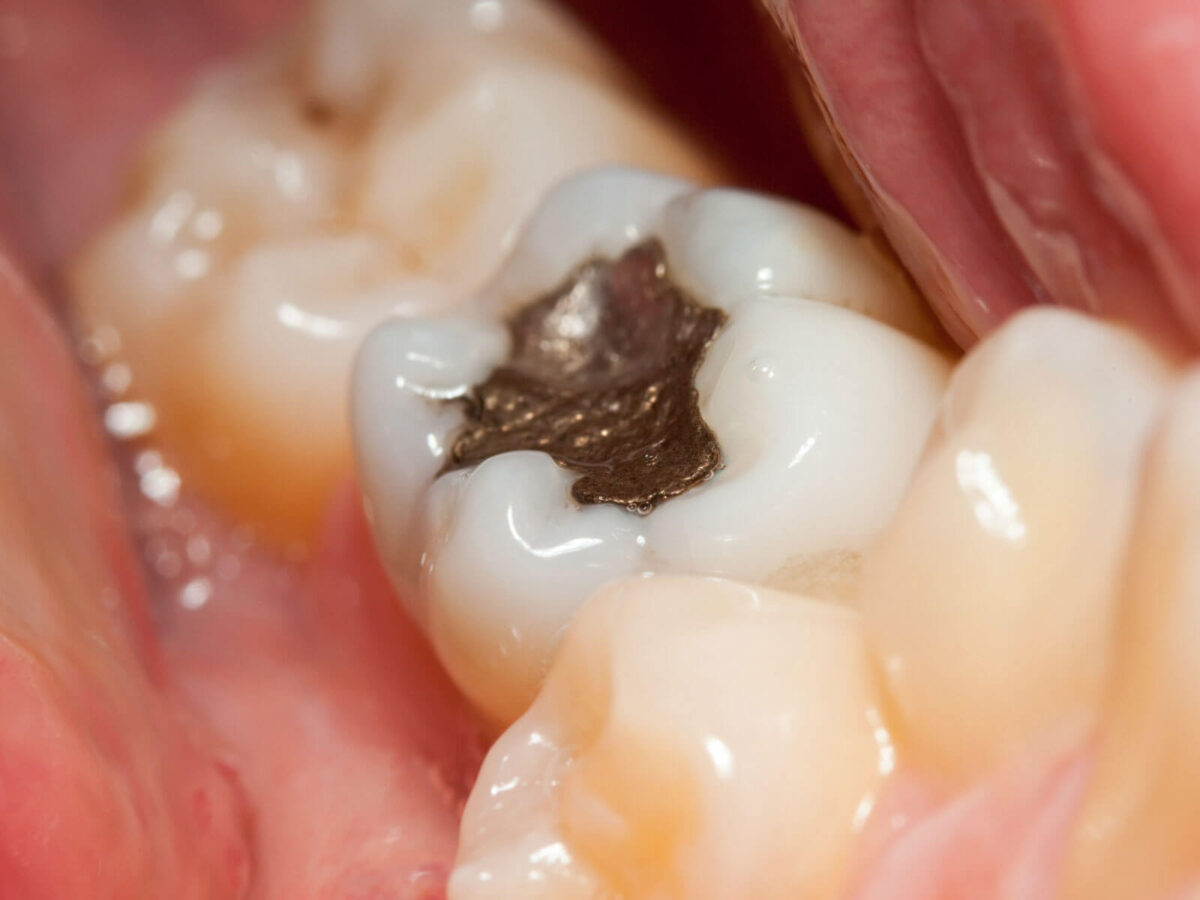
How Long Does a Tooth Filling Last?
Being told you need a filling usually feels like a quick fix and nothing more. You get the cavity treated and move on. Later on, though, many people start wondering how long do fillings last. It’s a fair question. Fillings take time and money. Nobody wants to repeat the work sooner than necessary.
Fillings are not permanent. But many last a long time. How long depends on several everyday things. The material used matters. So does where the filling sits. Your bite and daily habits play a role too.
What Does A Dental Filling Do?
Once decay has done some damage, a filling is commonly used to support the tooth. It helps the tooth stay functional during everyday use. It also makes it less likely that the same area will cause problems again later.
Fillings support normal chewing and help protect what’s left of the natural tooth. When that support is missing, decay can quietly spread and eventually require more complex treatment. Since fillings are exposed to everyday use, how long they last can differ widely.
How Long Do Dental Fillings Last?
People asking “how long do dental fillings last?” want a simple number. The honest answer is a range. Many fillings last between five and fifteen years. Some last longer. A few last decades.
That range exists because of different materials and real-life use. Some fillings get heavy pressure from chewing. Others sit in a lower-stress spot and wear much more slowly.
Long-term findings indicate that many fillings last beyond ten years when placement is done well and routine dental care is kept up over time. [Source]
Which Materials Last Longer?
Not all fillings are the same. Each material behaves differently in the mouth.
Composite fillings look natural. They bond to the tooth and work well for many cavities. They do best in smaller areas. Placed correctly, composite fillings can last many years.
Amalgam (silver) fillings are known for their strength. They have a long track record in the back teeth, where chewing force is high.
Amalgam often lasts longer in those spots than a composite would.
Research comparing materials shows that material choice influences lifespan. Still, placement quality and bite forces are just as important. [Source]
Does Location Matter
Yes, where a filling is placed matters. Molars are responsible for most chewing and biting force, which puts added strain on any filling placed there. Because of this ongoing pressure, fillings in molars often wear down faster. Front teeth generally experience less force, allowing fillings in those areas to last longer.
When a tooth is used heavily, the filling wears down faster as well. Over time, that extra wear can mean the filling needs to be replaced earlier.
How Do Daily Habits Affect The Life Of Fillings?
A lot of what affects how long fillings last comes down to everyday routines that don’t seem important in the moment. Grinding teeth adds pressure that builds slowly, and over time, that extra force can cause a filling to wear down or loosen earlier than expected.
Diet can influence things in the background without being obvious.
Sugary or acidic foods may slowly weaken the tooth around a filling, making it easier for issues to develop again along the edges over time. Good oral care helps balance this out. Daily cleanings and keeping up with dental visits support the tooth around the filling, and that support often makes a noticeable difference over the long run.
Why Do Fillings Fail Early?
There are several reasons why a filling may stop working the way it should. One common reason is decay developing again around the edges of the filling, called recurring decay. This usually happens gradually rather than all at once.
Daily use places steady demands on fillings, and over time, that pressure can lead to small changes. As fillings take on regular chewing, they may chip or loosen, often without pain at the start.
Sometimes the issue goes deeper than the filling itself. If the tooth beneath a filling was already fragile, ongoing wear can slowly change how well the filling fits. Studies have found that early issues usually relate to strong biting pressure and poor oral hygiene. [Source]
How Will You Know A Filling Needs Replacing?
In the beginning, a filling can wear without making much noise. For a long time, the tooth can feel completely normal without drawing attention. Then, small things may start to feel different, like hot or cold foods feeling sharper than before or discomfort when biting.
For some people, it isn’t pain that gives it away, but the feeling of a hard edge they feel with their tongue during everyday life.
These changes are often subtle enough that they’re found during routine dental exams or X-rays before they become a problem you can feel. Early detection is one of the quieter benefits of regular checkups.
Can Fillings Last A Lifetime?
It happens sometimes. Some fillings do last for decades, especially in low-stress areas. But most fillings will need attention at some point.
Teeth and bites change over time. Wear and small fractures add up. Expect eventual replacement rather than lifetime permanence.
What If You Leave a Worn Filling Alone?
When a filling starts to fail, it doesn’t always announce itself. Problems often build quietly over time. As the edges of the filling wear, small openings can form, making it easier for bacteria to get inside. Decay can then spread underneath, even if there’s no pain at first. If that process continues and reaches the nerve, treatment can become more complex, sometimes involving a crown or a root canal.
When a filling is handled early, things tend to stay more manageable. As a result, larger treatments are less likely to come into play later.
When Should You Get It Checked?
When sensitivity continues, biting feels uncomfortable. A rough spot may also show up on a filling. It’s common to ignore it and assume it will pass. Most people ignore it. In many cases, though, these signs indicate that a filling may need attention, whether that involves a minor adjustment or replacement before further changes take place.
Regular checkups are useful even when symptoms aren’t obvious. Dentists regularly spot early wear during routine visits or imaging. Sometimes, well before it causes discomfort. Taking care of small issues early often keeps treatment straightforward.
FAQs
How long do fillings last in back teeth?
Back teeth take more chewing load. Fillings there may wear faster than front teeth.
Do newer materials last longer?
New materials keep improving. But how long a filling lasts still depends on placement, bite forces, and care.
Can fillings fail without pain?
Yes. Some fillings wear down without noticeable pain. These are the kinds of things that regular dental exams usually spot early on.
Does cleaning harder help fillings last longer?
No. Hard brushing can slowly affect both enamel and fillings. Less pressure tends to be easier on them.
Conclusion
When people think about how long do fillings last, the answer often depends on several small factors. Many fillings last for years, and some continue longer with steady care. Tooth location, filling material, and everyday habits all influence longevity in quiet ways. Ongoing dental care helps support this over time.
If a filling feels different, checking it early can help keep treatment simple. Consistent care plays a key role in protecting overall oral comfort.