Blog
Dental hygiene tips for healthy teeth & gums
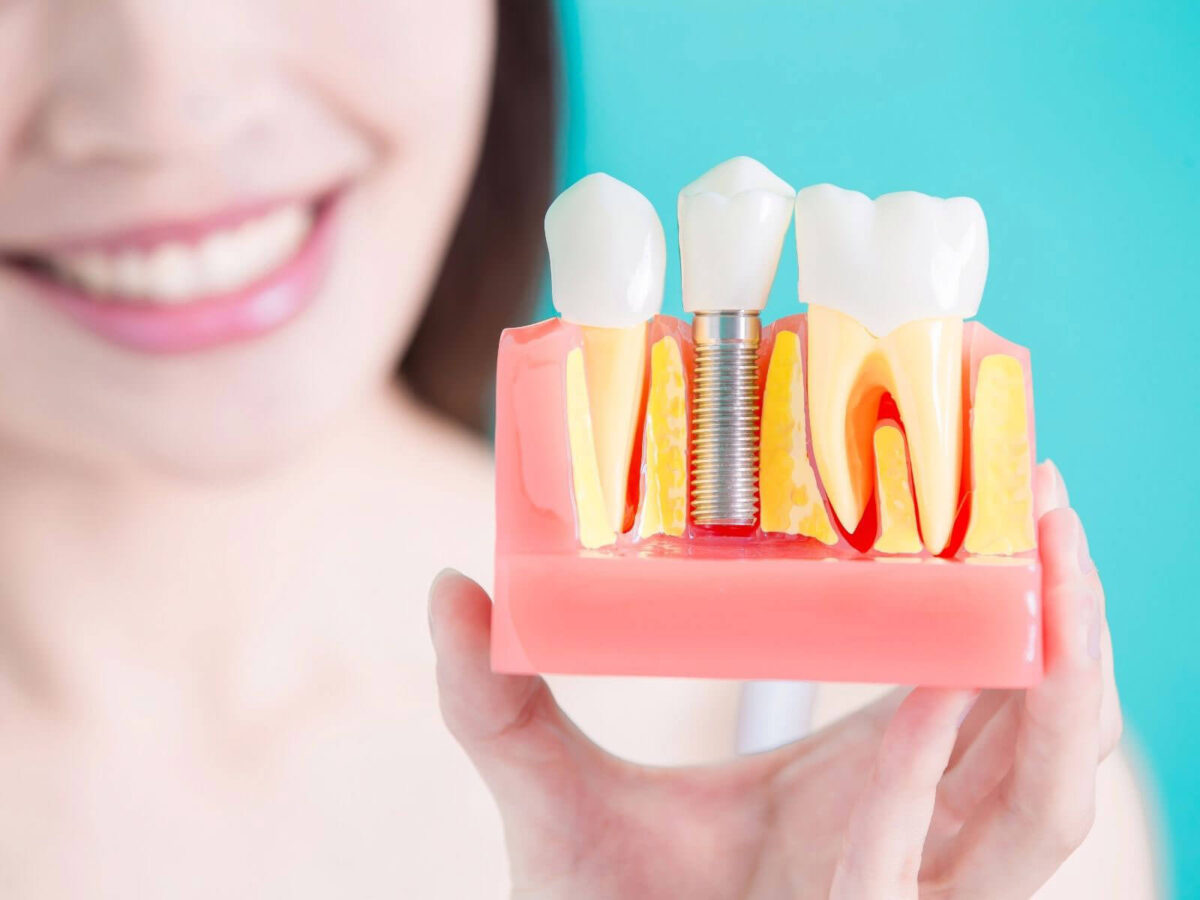
Dental Implant Process: Step-by-Step Guide
A small space from a lost tooth can lead to bigger changes over time. Chewing changes. Nearby teeth shift. Even the jaw can slowly reshape itself. When someone wants a solution that feels close to a natural tooth and lasts, an implant often becomes the option that makes sense. Learning about the dental implant process can ease a lot of that early worry. Once each stage feels familiar, the whole journey becomes clearer and less uncertain.
This guide shares the dental implant process step by step in simple language. It begins with that first visit and continues through healing and everyday care once the new tooth feels steady and comfortable again.
Why People Consider Implants In The First Place
Losing a tooth sets off small changes. The teeth next to the space can move. The one across from it may start dropping since nothing meets it. Chewing habits shift, and the jaw joints work differently. Beneath the gap, the bone can shrink because it no longer gets pressure.
Implants give back what the mouth lost, both the root and the chewing surface. So many people look into the process for dental implants when they want to protect their bite and bone for the future. Once they know what will happen, the idea makes sense rather than feeling stressful.
The First Consultation And Assessment
Everything usually begins with a quick visit so the dentist can learn what the patient needs. They review health details, past dental visits, and the areas that cause trouble. Then they take time to check the gums and the teeth around the missing space.
Scans give a closer look at the bone, its shape, and strength. This information helps explain “what is the process for a dental implant” for that one smile. When everything is clear, the team gives a plan that makes sense and feels comfortable to go on with.
Planning The Case And Discussing Options
After the assessment, the team uses the findings to plan the case. They decide whether there is enough bone to support an implant or whether extra steps, such as building up the bone, might be needed. The exact space, the angle, and the depth are all considered in advance.
During this stage, the patient often hears about the dental implant process timeline for their own situation. Some plans are straightforward and can move ahead quite quickly. Others involve several phases spread out to allow healing and preparation. Cost estimates and possible alternatives are also discussed calmly here, so there is no rush later.
Preparing The Mouth For Treatment
There are times when the mouth needs a bit more care before an implant can happen. A broken tooth may be removed. An infection might need treatment. Bone that has shrunk may need more support.
These moments still belong in the dental implant process step by step, even if the implant isn’t placed yet. Getting everything ready gives the new tooth a stronger foundation and makes the final result easier to enjoy.
Placing The Implant Post
After the mouth is ready, the exciting part finally happens. It is the moment many imagine when hearing about the dental implant process. The area is numbed so the person stays comfortable, and if any nerves show up, there is always help to stay calm.
A tiny opening is made in the gum, and the titanium post is gently set into the bone with guidance from the scans. It becomes the new root. The gum is closed or shaped around a healing cap to protect it. Many are surprised by how little time the visit takes and how mild the soreness feels later.
Healing And Bone Integration
After the post is in, the body begins building support around it. The bone grows toward the titanium and starts to hold it firm. That is a big step in the process for dental implants, because the future tooth relies on how strong that bond becomes.
Everyone heals differently. Some are ready sooner, some later. A temporary tooth usually fills the gap, helping the smile look normal while waiting. The team will often suggest being gentle around that side to let the bone settle in peacefully.
Adding The Connector Piece
Once healing around the post is complete, the dental implant process moves forward with placing an abutment that sits just above the gums. This tiny connector is where the crown will later attach once everything is ready. The appointment is often quicker than many people expect, and discomfort is usually minor, mostly a little tenderness as the gums adjust through daily routines.
It is a meaningful stage because it changes the focus from internal healing to rebuilding the tooth that shows during eating, laughing, speaking, and smiling confidently around others almost every single day, everywhere consistently today.
Taking Impressions For The Final Crown
When the abutment is ready, the dentist focuses on copying the mouth’s shape so the future crown looks and feels right. Impressions or modern scans help show exactly where the implant sits and how it fits with nearby teeth. This careful mapping helps the crown match the bite shape, colour, and height.
People who ask “what is the process for a dental implant” are often surprised by how detailed this stage becomes. The purpose is to create a tooth that becomes part of the smile naturally. It should feel secure, comfortable, and real each time a person eats, talks, or laughs with friends, family, community, everywhere regularly, without worry or noticing any difference compared to their natural teeth at all.
Placing And Adjusting The New Tooth
When the crown is finished, the patient comes back to have it attached. The dentist places it on the connector and checks how the upper and lower teeth meet. They look for a natural bite and make small changes if one area receives too much pressure. Comfort matters here, so time is taken to ensure everything feels right.
After that, the crown is locked in place. The person can finally chew on that side normally without worry. The dental implant process timeline might feel long at first, but the reward is a secure replacement tooth that acts independently, and does not shift or ask surrounding teeth to do extra work every day.
Conclusion
A missing tooth to a new one takes a few steps, and none happen overnight. When someone sees the dental implant process laid out simply, it feels less scary. A plan is made. Healing happens. The last crown completes the smile. With regular checkups and simple care at home, the implant can stay strong and helpful for many years ahead.
Anyone considering an implant and wanting to know the dental implant process step by step can start with a simple visit. The dentist checks the mouth, explains the dental implant process timeline, and creates a plan that helps the patient return to a confident smile, feel organised, comfortable, and not stressed.