Blog
Dental hygiene tips for healthy teeth & gums
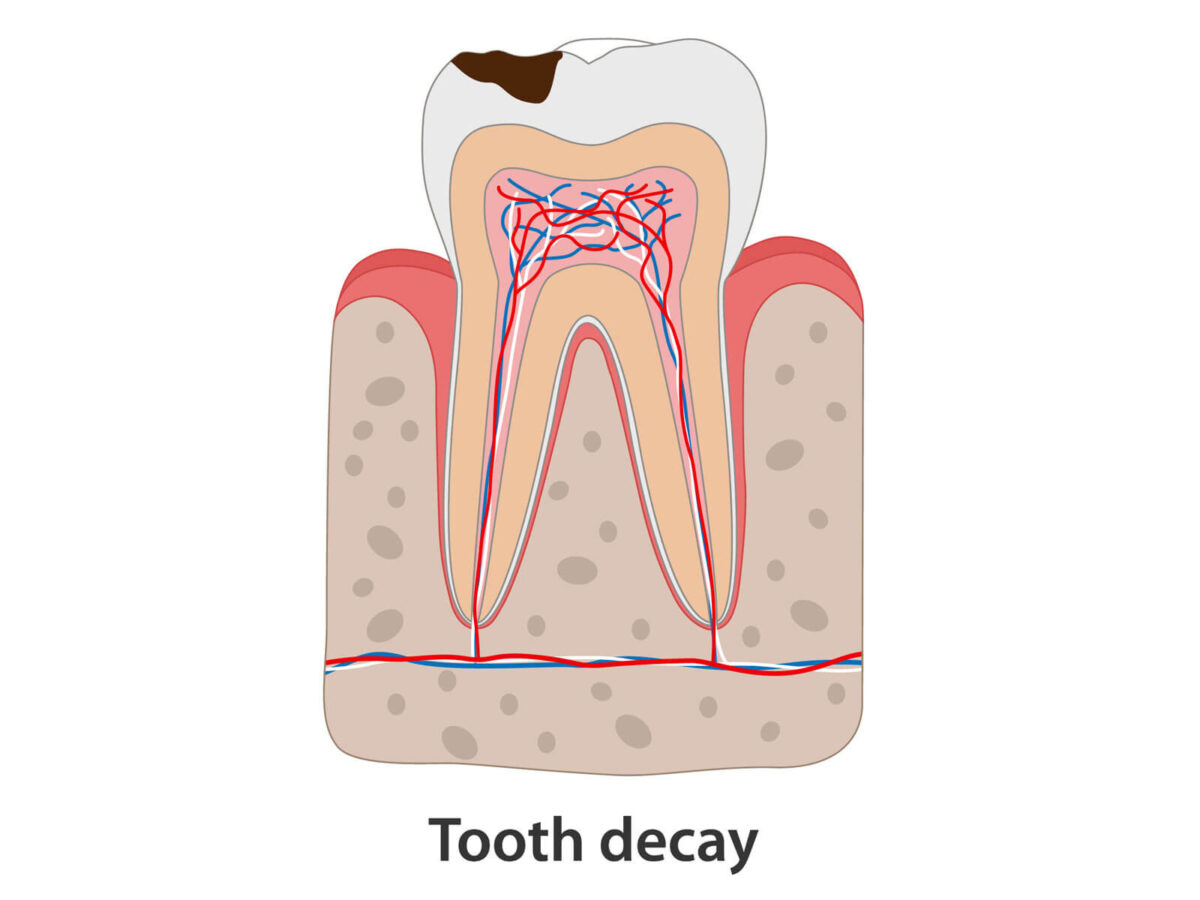
Cavities & Tooth Decay: Symptoms, Causes, and Effective Treatments
Most people don’t notice a cavity forming. There’s no dramatic moment. No sudden crack or sharp pain. It usually starts as something so small it doesn’t seem worth thinking about. A slight sensitivity when drinking something cold. Sometimes it’s only a darker area on the tooth. Hard to take seriously when life is full, and nothing feels wrong yet.
That’s how decay in the tooth quietly moves forward. Life goes on, you’re chewing, chatting, smiling, and all the while, changes can be happening where you can’t see them. When pain appears, the cavity often turns out to have been there for quite a while.
Seeing a dentist in benbrook TX, early can make the difference between a small filling and a much more involved procedure. Early care is not about being overly cautious. It is about keeping things simple while they still can be.
How Tooth Decay Actually Begins
Bacteria being in the mouth is completely normal. Things shift when food particles stick around on teeth, especially sweets and starches. Bacteria feed and acid forms as a result. It doesn’t cause damage overnight, but little by little, the acid wears down enamel, the hard outer coating of the tooth.
Early changes are subtle. Minerals leave the enamel surface, and sometimes a pale white area appears. If the process keeps going, that weakened spot can turn into a small hole. Most people recognise that stage as a cavity.
Early tooth decay treatment may be slowed with fluoride and better daily cleaning. After enamel breaks, though, fixing the tooth is usually the next step.
The Symptoms People Usually Notice
Not all cavities show up the same way. Some sit there quietly for quite a while without causing any real discomfort. Others make themselves known sooner, especially with temperature. A cold drink that sends a quick zing through a tooth is a common early clue. Sweet foods can do something similar, a short, sharp feeling that fades fast.
At times, the only difference is how a tooth feels when biting down. Maybe a bit of pressure. Maybe just a sensation that feels slightly off compared to before. Subtle differences in how a tooth feels are often what bring someone in for tooth decay treatment, before things become more involved.
When pain hangs around, pulses, or interrupts sleep, it can mean the decay has gone deeper than the surface.
Why Do Some People Get Cavities More Easily
Cavity risk doesn’t look the same for everyone. Some people naturally have lower saliva flow, and saliva helps rinse away food and soften acid attacks on teeth. When it’s reduced, teeth don’t get that same level of protection. Food and drink habits matter too. Snacking often or sipping sugary drinks over long periods keeps the mouth acidic more of the day.
Kids’ back teeth aren’t always smooth. Those deep grooves in molars can hang onto food even when brushing looks decent. As people get older, gums can slowly pull back, which leaves parts of the root exposed. Those areas don’t have the same protection enamel does. When certain health conditions or medications are part of the picture too, cavity risk can change in ways that aren’t always obvious.
A dentist in benbrook TX takes these personal factors into account when recommending prevention steps or treatment. One plan doesn’t automatically fit everyone.
What Happens During A Dental Exam
Some dental changes just aren’t visible at home, which is where a checkup helps. X-rays can pick up decay between teeth or beneath older dental work that would otherwise stay hidden. The dentist also takes a close look at each surface, checking for early soft areas that haven’t started causing pain.
Sometimes the situation calls for a period of observation along with fluoride support to see if the area stays stable. Other times, placing a filling right away helps keep the damage from spreading further. The purpose of tooth decay treatment is generally straightforward: remove the decayed part and protect the healthy portion that’s still intact.
Common Treatments For Cavities
Small areas of decay are usually taken care of with a filling. The weak part is cleared out, and the space is sealed so the tooth can keep working as it should.
If the tooth has lost more strength than that, a crown may be used to cover it and add protection. When infection reaches the nerve inside the tooth, a root canal procedure removes the infection but keeps the rest of the tooth structure.
Taking a tooth out only comes up when it really can’t be saved. In those cases, options for replacing it are discussed to keep the bite stable and the chewing feeling natural.
How Daily Habits Help Prevent Bigger Problems
Good habits tend to work quietly in the background. Brushing in the morning and at night with fluoride toothpaste supports enamel over the long run, even if the change isn’t obvious day to day. Flossing helps clear plaque from between teeth, areas that look fine on the surface but collect buildup where a brush doesn’t reach well. Drinking water more often than sweetened drinks also cuts down how often teeth sit in an acidic environment.
Professional cleanings remove tartar that forms over time and give a dentist in benbrook TX, the chance to catch early decay in tooth while it’s still small and easier to manage. Appointments like these often focus on spotting gradual changes rather than reacting to pain.
When these habits stay consistent, people often run into fewer large or complicated dental treatments over time.
Tooth Decay At A Later Stage
When tooth pain gets strong and doesn’t really calm down, or swelling shows up in the gums or even the face, something deeper can be going on. Fever or a bad taste that just won’t leave can show up too. Problems like that usually don’t fade the way a small irritation might. Mouth infections sometimes spread beyond one spot, which is why those kinds of symptoms usually end up getting checked.
A large number of dental emergencies begin quietly. What starts as a minor discomfort or small change can slowly build over time. Checking on concerns earlier often helps keep them from progressing into more serious situations.
The Long-Term Outlook
When a tooth has early tooth decay treatment, it often stays fairly steady over time. Fillings and crowns handle normal use well, though they’re still checked now and then to see how they’re settling. Tiny edge changes can happen. Surfaces don’t always stay exactly the same. Those small differences tend to be simpler to manage when they’re seen early during routine visits. Regular follow-ups just help keep everything from drifting too far in one direction.
Consistent care with a dentist in benbrook TX creates a clearer long-term picture. Knowing your dental history makes it easier to make small adjustments. It also helps keep things on a smooth track as your needs change over time.
Conclusion
Tooth decay tends to move slowly. It’s not sudden, and it usually doesn’t reverse without some kind of care. Because of that, there’s often a stretch of time where small changes show up before real pain does. Staying consistent with daily care and checkups often means those early stages don’t turn into something bigger.
A tooth that feels different, looks unusual, or suddenly seems more sensitive to temperature is often what gets someone’s attention.
Looking into it at that point usually keeps things simpler. If you have teeth decay, schedule an appointment with a dentist in benbrook TX. Early tooth decay treatment can help stop pain.