Blog
Dental hygiene tips for healthy teeth & gums
5 Types of Dental Implants: Which One Is Right for You?
Some people notice a missing space in their smile and feel a quiet shift each time they chew or speak. The gap may not hurt, yet it changes the way the mouth moves. Over time, this gentle change leads to curiosity about the many ways a tooth can be replaced. That is when the thought of types of dental implants starts to settle in, not with urgency, but with a calm interest in how the mouth might be supported again.
Dental implants are made in several forms, and every type works with the jaw in its own way. People know they feel natural, yet the differences between them aren’t always clear. Exploring those details helps someone see how the different types of dental implants fit into their smile.
How Traditional Endosteal Implants Settle Into the Bone
The most common form begins with a small post placed in the jaw. The bone grows around it slowly, almost like welcoming something familiar. This type fits deeply and becomes part of the structure that holds the tooth steady. Over time, the post supports a crown that feels as natural as the enamel beside it.
People often hear about this style first when learning about the different types of dental implants because it follows the natural rhythm of the bone so well. The fit feels strong, and the body accepts it gently. This steady connection makes traditional implants a choice for many, bringing back comfort in chewing and speaking without feeling artificial.
How Subperiosteal Implants Rest Differently Beneath the Gums
Some mouths do not carry enough bone for a deeper implant. In these cases, another design rests just beneath the gums rather than inside the bone. A small supporting frame sits softly above the jaw, becoming a foundation for the new tooth. The gums grow around this frame, holding it in place with their own quiet strength.
This version helps someone who may not want bone grafting or who has experienced bone changes over time. It shows another path within different types of dental implants for people whose mouths need a gentler approach. The feeling it provides is stable yet light, giving the new tooth a home that feels settled without needing deeper placement.
How Mini Implants Offer a Smaller, Softer Presence
Mini implants are thinner than traditional ones. They sit in the bone with less space, asking for less preparation and often less healing time. Their smaller size creates a different kind of comfort, especially for people whose bones have thinned or who want a lighter step into implant treatment.
They often support dentures or small replacements, fitting quietly into the jaw without demanding heavy pressure. When someone wonders about the softer side of types of dental implants, mini implants often appear in the conversation. They offer steadiness without requiring the same amount of bone, making them a gentle choice for many smiles.
How Zygomatic Implants Create Support Higher in the Face
Sometimes the upper jaw doesn’t have enough bone to hold an implant securely. In this situation, another option reaches into the cheekbone instead. The cheekbone is naturally stronger and provides the stability needed for the implant to settle. This type stretches more than others, offering a sense of anchoring where the bone density is greater.
Although used less often, this design becomes important when someone needs support that the upper jaw can no longer give on its own. Understanding different types of dental implants includes knowing that some implants create stability in places that feel unexpected at first. This higher placement helps people who might otherwise have no comfortable way to restore their upper teeth.
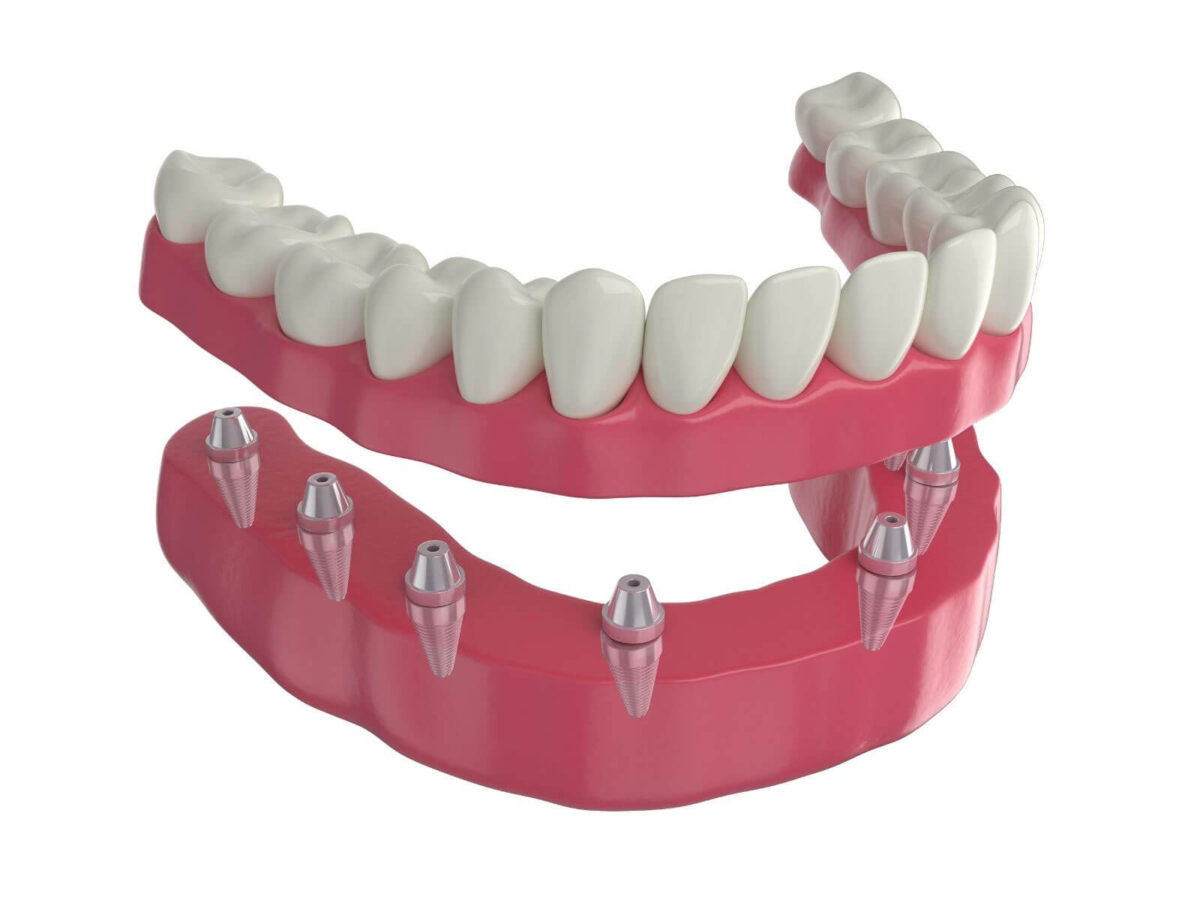
How All-on-Four Systems Support Several Teeth at Once
Sometimes the need extends beyond a single tooth. When many teeth are missing, an option called an all-on-four system provides a full arch of replacements held by a small number of implants. These implants sit at gentle angles, allowing them to hold more weight without requiring additional grafting.
For someone wondering about broader restoration, this approach reveals another side of the types of dental implants. It offers a sense of returning fullness to the smile in a way that feels steady and connected, allowing chewing and speaking to feel more natural again.
How Dentists Decide Which Type Suits Each Mouth
The right implant isn’t chosen because it’s the strongest or the newest on the list. It is about selecting what fits the shape and rhythm of the mouth. Some jaws carry dense bone. Others have thinner areas shaped by time. Some smiles need single-tooth support, while others need something broader.
Dentists look closely at these small variations. They study the bone gently, see how the gum rests, and listen to how the person describes their comfort. This helps define the choice among different types of dental implants. The decision forms slowly, in calm talks and careful planning, making sure that the final option feels natural.
How Healing Follows Its Own Quiet Path
Whichever implant is picked, healing always steps in. The bone shifts bit by bit, holding the implant in a way that feels steady as weeks pass. The gums ease around the area. The mouth finds its new rhythm slowly, without force.
This healing tells how these types of dental implants work with the body rather than pushing change. The process is steady. It does not rush. It allows the implant to become part of the mouth in a way that feels comfortable.
How Implants Support More Than Just Looks
Putting an implant in place changes more than how the smile looks. It lets the mouth move in a calmer, smoother rhythm. Chewing feels more even. Speech feels clearer. The jaw stays stronger because the implant gives it work to do. These small improvements gather over time, creating a sense of balance that goes beyond simple appearance.
Understanding types of dental implants helps someone see how each option supports not only the visible part of the tooth but the quiet strength beneath it.
How Confidence Grows As the Smile Feels Complete Again
There is something gentle about the moment a person bites evenly again or speaks without noticing the missing space. Confidence does not return in a rush. It grows quietly with each meal, each conversation, each glance in the mirror. The right implant supports this feeling because it fits in harmony with the mouth’s own movement.
This soft return of comfort becomes part of choosing among different types of dental implants, knowing that the right option can bring the smile back into a natural rhythm.
Finding the Implant That Fits Your Smile’s Needs
The process of choosing an implant starts by understanding how your mouth feels today and how it’s changed. A relaxed talk with a dental professional can show which design supports your jaw, your gums, and your comfort. Every implant type brings its own strength and its own steady feel.
A Quiet Step Toward Restoring Your Smile
If someone is considering replacing a missing tooth or improving their bite, the first step can be an easy visit. A calm evaluation and a soft discussion about the types of dental implants helps point the way forward with clarity and comfort.