Blog
Dental hygiene tips for healthy teeth & gums
The Do’s And Don’ts of Eating With Veneers
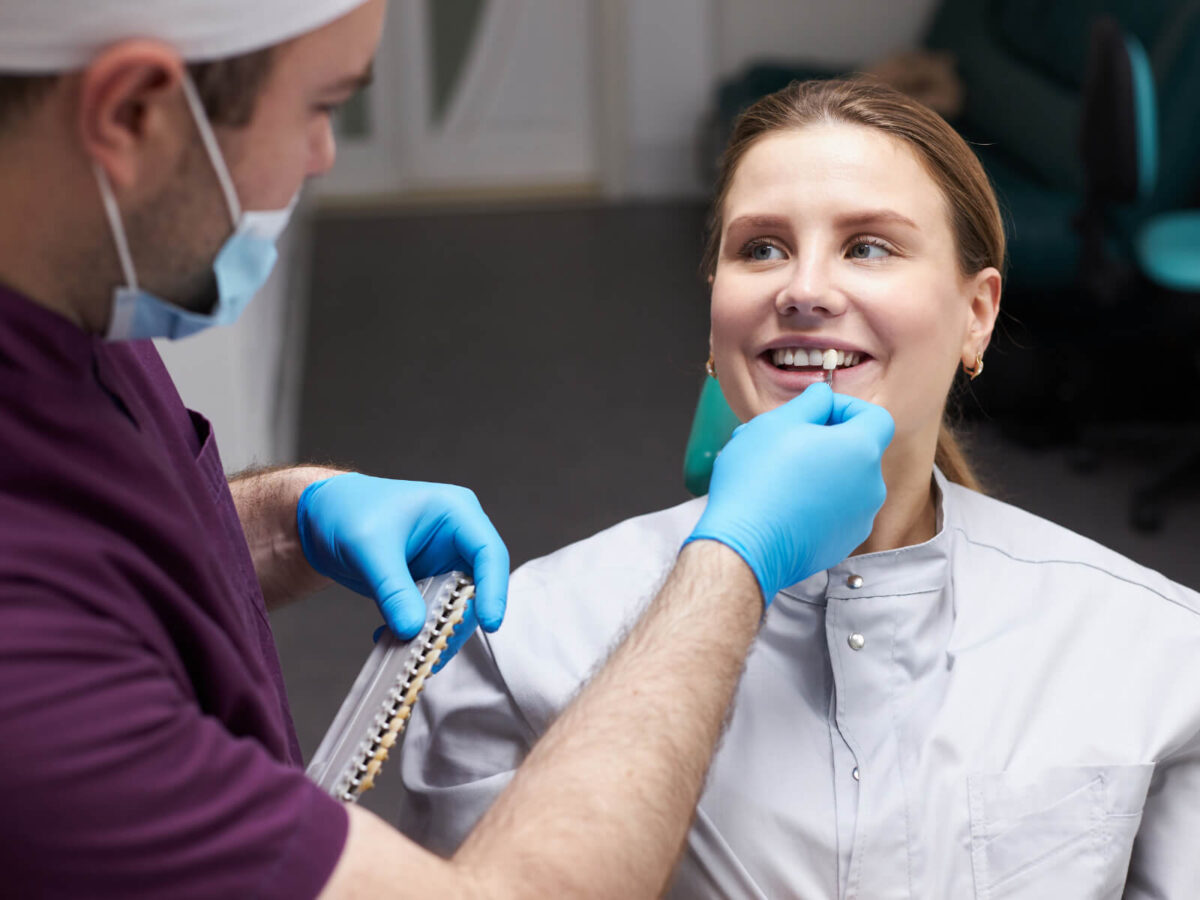
Getting veneers is exciting. You’ve achieved the smile you’ve always desired. But after that final appointment, when the work is done, you need to be extra careful. Veneers might give you the look and feel of natural teeth, but they aren’t indestructible. What you eat can really affect how long they last.
Your Benbrook Dentist, TX, will always recommend watching your diet closely, at least in the first few weeks. But truthfully, long-term habits matter just as much. So if you want those teeth to keep looking great, you’ve got to be mindful of what goes into your mouth.
Let’s talk about the things you should do. And, of course, the things you definitely shouldn’t.
What You Should Do When Eating With Veneers
Start Slow and Soft
Your teeth may look different right after getting veneers. That’s totally normal. They need time to settle in. Stick to softer foods at first. Mashed veggies, eggs, smoothies, or rice are good options. Avoid anything that needs serious chewing.
This isn’t forever—just for the adjustment period. But it helps the bonding stay strong and lowers the chance of discomfort.
Chew With Caution
Even after you go back to normal eating, be cautious. Use the molars more often when chewing. Your front teeth, where most veneers are placed, can chip if you bite into something too hard. Tear pieces of bread or pizza with your hands instead of biting directly into them. Cut apples into pieces instead of biting into them whole.
Even little habits like this can really add up over time.
Stay Hydrated
Water isn’t just for hydration. It helps get rid of scraps and germs from your mouth. A brief swish with water after eating something really helps. It’s especially helpful after drinking coffee or wine. These drinks can stain your veneers. This small habit keeps them clean. It also keeps your smile fresh. It’s simple, but it makes a difference. It helps to get a bright and healthy look.
Stick to Good Oral Habits
Veneers are tough. But your natural teeth still need care. Use a toothbrush with fine bristles and a good dental paste. Opt for a very gentle one. Avoid anything harsh. Brush twice a day, carefully. Floss once a day, gently. Take your time, and keep it consistent. This helps protect your smile.
And don’t skip those dental visits. A regular cleaning keeps your smile polished and your gums in good shape. Your Benbrook Dental team can help spot issues early, so everything stays on track.
What You Should Avoid
Don’t Bite Hard Foods
This is a big one. Ice cubes, hard candy, popcorn kernels—these are a no-go. They can crack or chip your veneers.
It’s tempting, we get it. But all it takes is one wrong bite to get you back in the dental office. That’s not fun for anyone.
Be Careful With Sticky Stuff
Yes. Chewy candies and sticky desserts definitely taste great. But they aren’t great for your dental work. Gum, caramel, or toffee can pull at the edges of your veneers. Over time, that may cause loosening.
Better to skip it. Choose safer snacks instead.
Watch the Temperature
Stay away from extremely hot or cold foods. They can make your veneers feel sensitive. This is especially true in the beginning. That usually goes away with time, but be cautious during the first few weeks.
Stay away from extremely hot soups or ice-cold drinks until your mouth adjusts.
Foods to Avoid with Veneers
We already mentioned some of these, but let’s break it down clearly. Here are some foods and habits that aren’t veneer-friendly:
Hard candies: Risk of cracking or chipping.
- Ice: Never chew it. Just don’t.
- Caramel and toffee: Too sticky.
- Nuts: Too hard if you bite down wrong.
- Dark sauces: Can stain over time.
- Coffee, tea, and red wine: Same reason—stains.
- Acidic fruits: Lemons and limes can damage enamel and bonding.
These foods aren’t off-limits forever. But if you have them, do it sparingly and clean your mouth afterward.
What Can You Eat Comfortably?
Now, for the good news—there’s plenty you can eat.
Soft-cooked vegetables. Pasta. Eggs. Yogurt. Fish. Rice. Bananas. Oatmeal. All of these are soft on veneers and your gums. As you grow more confident, you’ll find your rhythm with eating. The key is balance and care.
If you’re ever unsure, ask a Benbrook Dentist, TX. They know your case best and can give advice tailored to your mouth.
Other Tips To Protect Veneers
Skip Using Your Teeth as Tools
Don’t use your teeth to rip open bags. Avoid unscrewing bottle caps with them, too. It might seem simple, yet it happens quite often. Such pressure can damage your veneers quickly. Try using your hands or an appropriate tool instead.
Avoid Grinding or Clenching
If you clench your teeth at night, let your oral health professional know. You might need a nightguard. A mouth guard helps shield your smile during the night.
Wear a Mouthguard for Sports
Play sports? Good. But wear protection. A hit to the jaw can break or shatter a veneer. Mouthguards are cheap and easy to wear. Better safe than sorry.
The Bottom Line
Eating with veneers isn’t as tricky as it seems. Yes, there’s a learning curve. Yes, there are some foods to avoid. But once you form the right habits, it becomes second nature.
Protecting your veneers is about being smart, not being scared. Take small steps. Make better food choices. Keep your mouth clean. And see your Benbrook Dental Office TX, every half year for an examination.
A bit of effort now can prevent bigger issues later on.
Take good care of your veneers, and they’ll keep looking great for years.